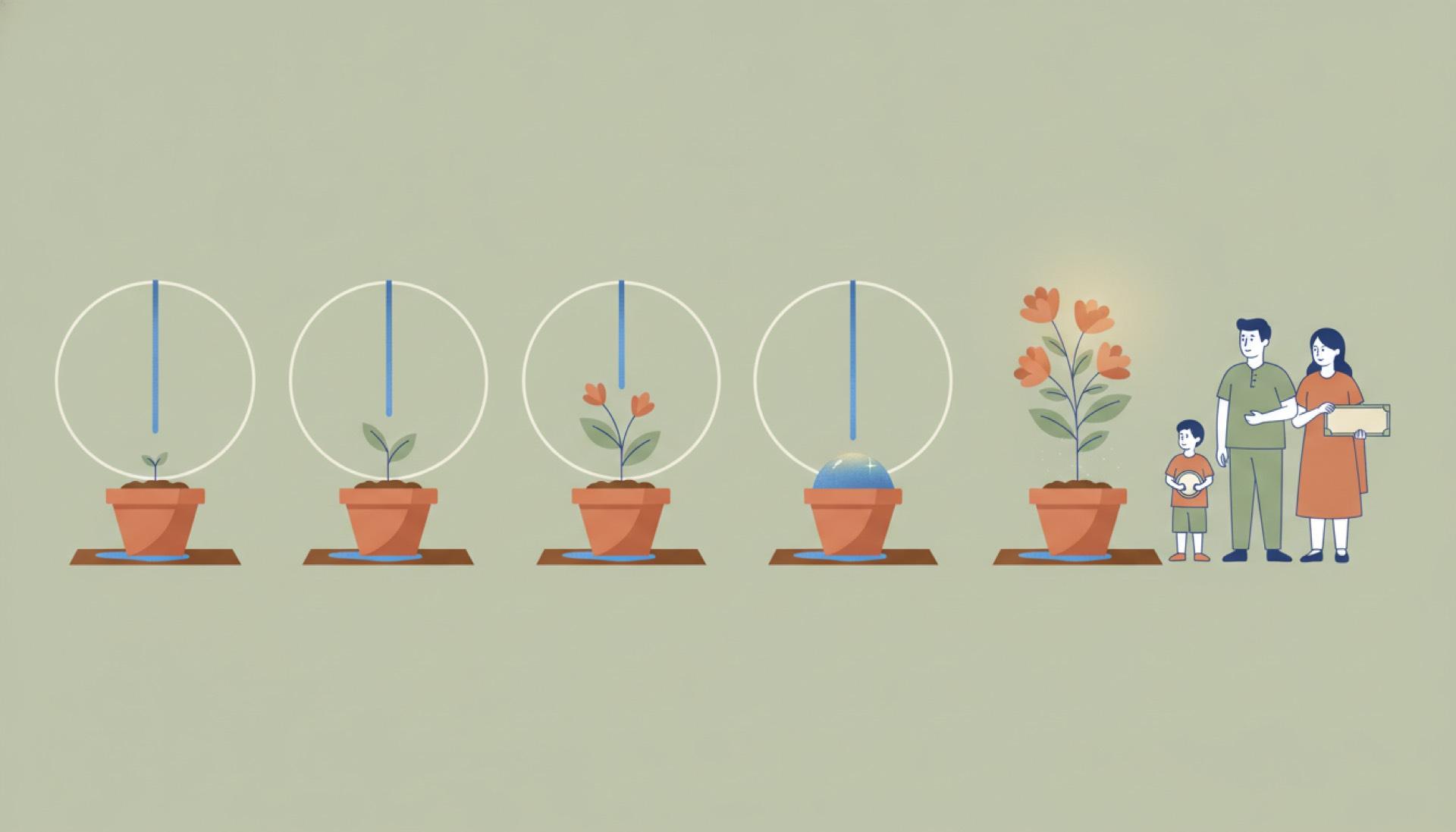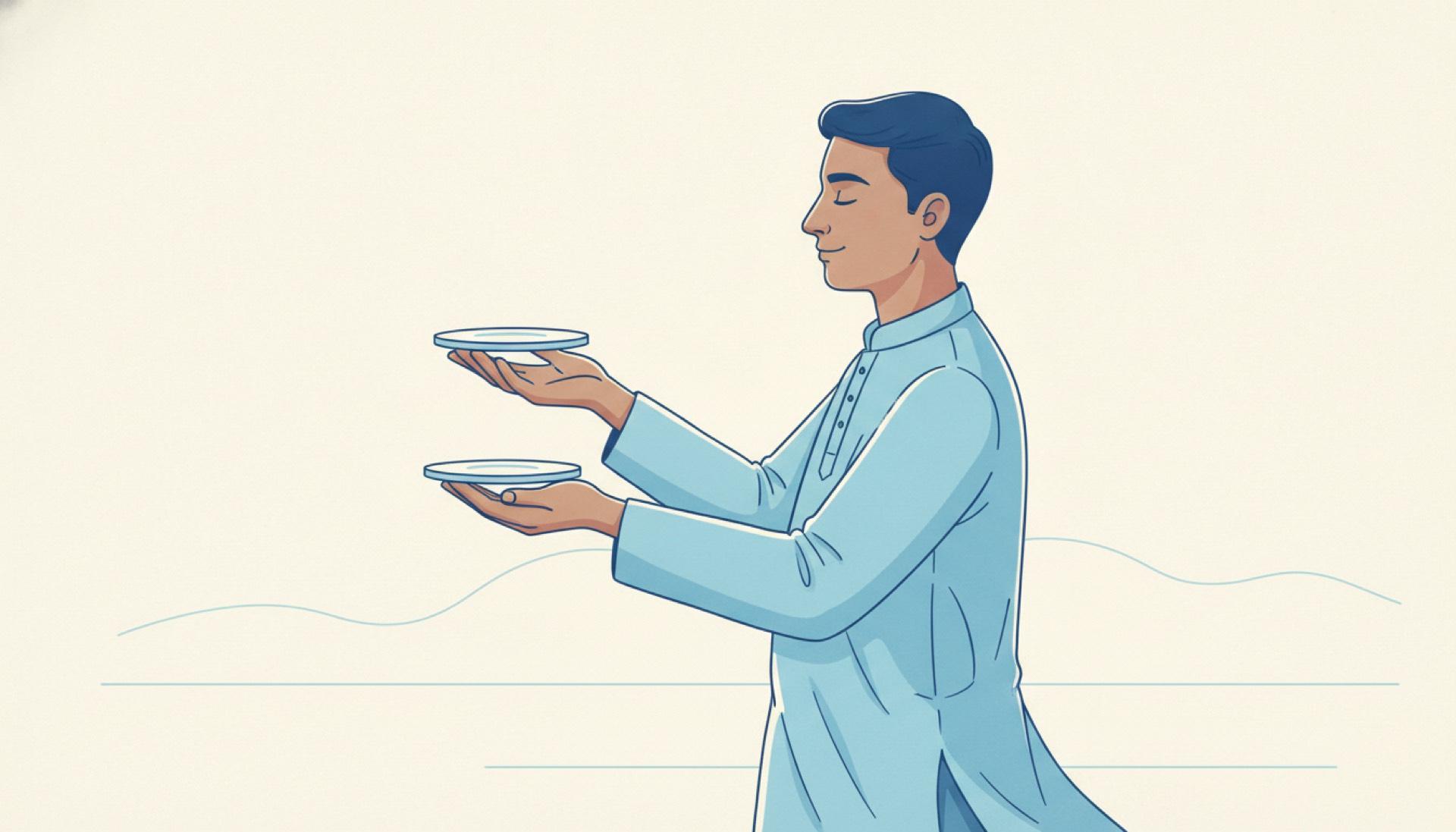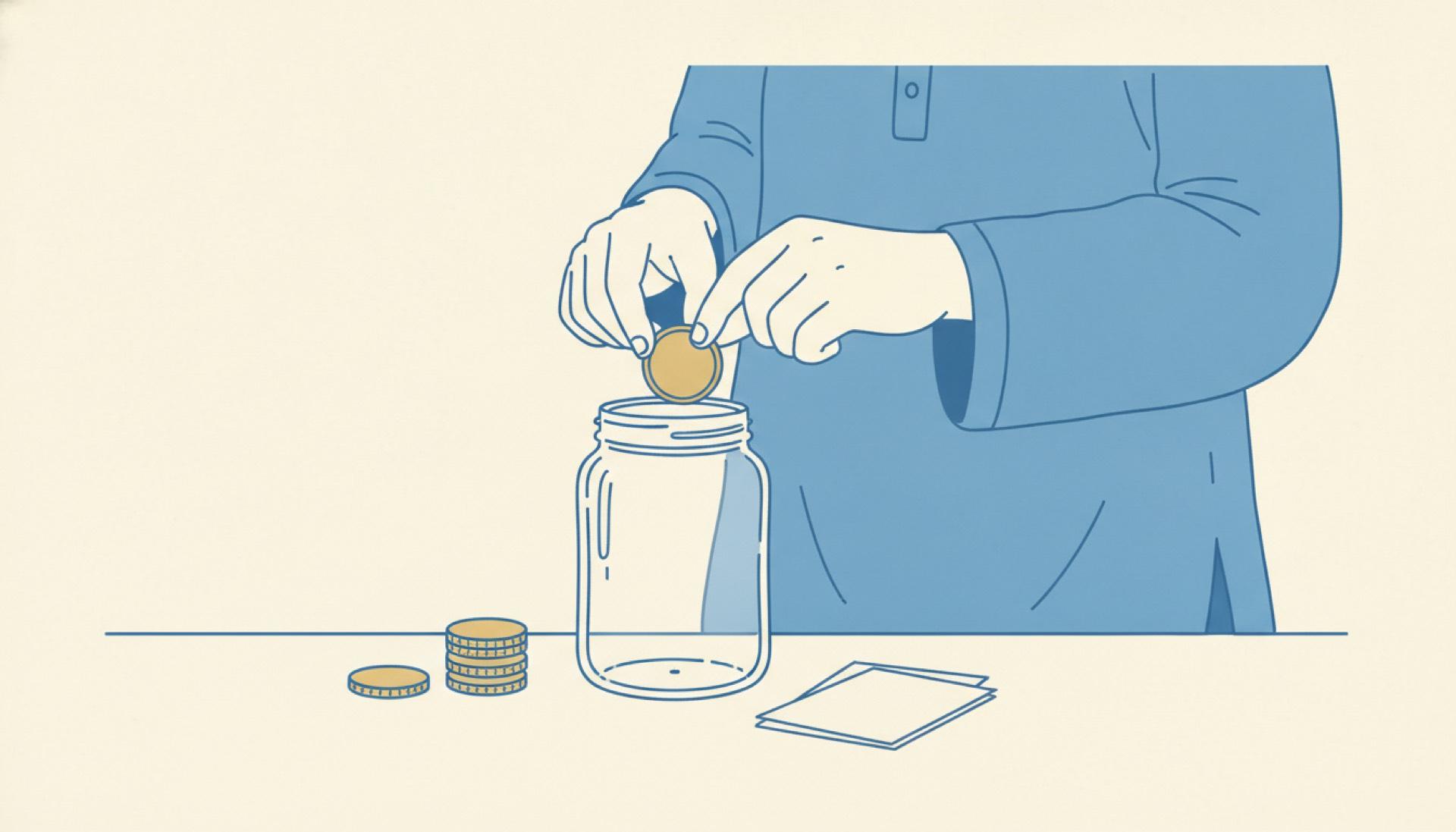
Pay yourself first means moving a fixed amount into savings or an investment the day your salary lands, before you pay bills or spend a rupee. It's the same income in a different order, and that order is everything: saving becomes the first bill you pay, not the leftover you hope for.
Most people run their money the other way round: spend first, save what survives. The trouble is that spending expands to fill the account, so the leftover is thin or gone. Flipping the order fixes that in one move.
What "pay yourself first" actually means
The idea is old and simple. Before you touch your income for rent, EMIs, groceries, or a weekend out, you move a set amount into savings or investments. You pay yourself, your future self, as if it were a bill from the most important creditor you have. Everything else gets budgeted from what remains.
The usual approach reverses this. Salary arrives, spending happens, and saving is whatever is left at the end of the month. There is almost always one more thing to buy, so the end-of-month balance rarely stretches to a real saving. Paying yourself first decides the saving on day one and lets the spending adjust around it.
Why "save what's left" leaves nothing
Saving from the leftover asks you to make the right call thirty times a month, every time you are tempted. That is a willpower tax, and willpower runs out. By the 28th the balance is low, the intention to save is still there, and there is simply nothing to move.
Paying yourself first removes the choice. You decide once, set up an automatic transfer, and the money is gone before you can spend it. A single decision replaces a month of small ones. That is the whole mechanism: it converts discipline into a standing instruction you never have to think about again.
How to pay yourself first in India
The move is mechanical, and Indian banking makes it easy:
- Pick a number and a date. Choose a fixed amount and schedule it for the day after your salary is credited, so the money is there when the transfer runs.
- Automate it. Set up a standing instruction or NACH mandate from your salary account to a separate savings account, a recurring deposit, or a SIP (systematic investment plan, an automatic monthly investment into a mutual fund).
- Separate it. Send it to an account you don't carry a debit card for. Out of sight is out of spending range.
- Budget the rest. Whatever stays in your salary account after the transfer is your genuine spending money. Run rent, EMIs, and daily costs from that.
The point of automation is that it happens whether or not you feel like saving that month. You are not relying on remembering, or on resisting. The same salary-day mechanics, step by step, are in how to save money from your salary.
How much should you pay yourself first?
A widely used anchor is 20% of take-home pay, the "20" in the 50/30/20 rule. But the first job is consistency, not size. If 20% is out of reach, start at 10% and raise it a notch each time your salary grows; you will not miss what you never adjusted to. The habit compounds long before the amount does.
Here is the order, with illustrative figures. Say your take-home is ₹60,000 a month (illustrative). You pay yourself 20%, which is ₹12,000, on day one into a SIP and savings. You then budget the remaining ₹48,000 for everything else. Same salary, same lifestyle ceiling, but the ₹12,000 is protected instead of hoped for.
Save first vs save what's left
Save first
Start here- A fixed amount leaves on day one, automatically
- Saving is a bill, not a leftover
- One decision, made once
- The amount is protected before spending starts
Save what's left
- You save whatever survives the month
- Saving competes with every purchase
- Thirty decisions, made under temptation
- The amount is usually thin, or zero
Does it work on a low salary?
Yes, because the method is about sequence, not scale. Paying yourself ₹500 a month (illustrative) automatically does two things a larger, irregular effort cannot: it builds the habit, and it starts a buffer. As your income grows, you lift the number. What matters is that saving comes first, whatever "first" can afford this year.
Related nyvo guides
- The 50/30/20 Budget, Reworked for Indian Households: where the 20% you pay yourself comes from, adjusted for Indian EMIs and family support.
- Lifestyle Inflation: Why a Raise Never Feels Like Enough: the habit that undoes your savings as your income grows.
On that illustrative ₹60,000 take-home, the gap between the two orders is stark: save first and ₹12,000 is banked before the first bill arrives; save what's left and the month usually leaves something closer to zero. Same salary, same lifestyle ceiling. The order did all the work.