Advance tax is income tax you pay during the year you earn it, not after the year ends. You owe it if your total tax for the year, after TDS, is likely to exceed ₹10,000. It is paid in four instalments due 15 June, 15 September, 15 December and 15 March. Salaried people whose employer TDS covers everything usually do not need to pay it separately.
Advance tax at a glance (FY 2026-27)
Who has to pay advance tax?
The test is your tax, not your income. If, after the TDS that others deduct for you, your remaining tax for the year is likely to be more than ₹10,000, advance tax applies.
In practice that pulls in freelancers, consultants, business owners and professionals, whose income arrives without TDS or with only partial TDS. It also catches salaried people who have a second stream the payroll does not see: capital gains on shares or property, rental income, large interest or dividends, or side income. Their salary TDS is fine; the extra income is what tips them over ₹10,000.
When is advance tax due, and how much?
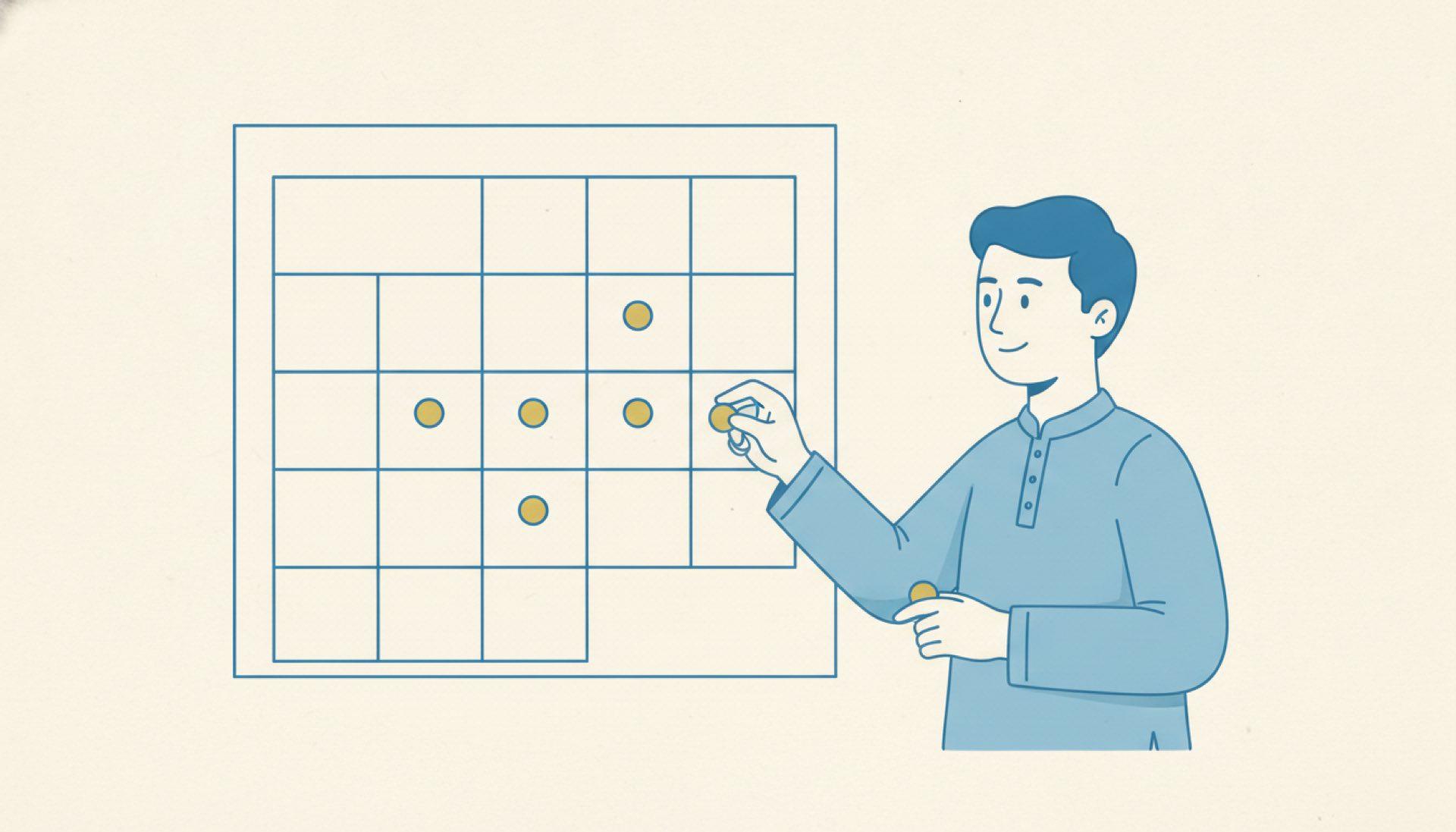
The year's tax is spread across four dates, and the percentages are cumulative: each instalment brings your total paid up to the level shown.
| Due date | Cumulative advance tax payable |
|---|---|
| On or before 15 June | 15% of total tax |
| On or before 15 September | 45% of total tax |
| On or before 15 December | 75% of total tax |
| On or before 15 March | 100% of total tax |
So by 15 September you should have paid 45% in total, not an extra 45%. Taxpayers who have opted for the presumptive taxation scheme for business or profession pay their advance tax in a single instalment by 15 March.
Who is exempt from advance tax?
Two groups sit outside the system. A resident senior citizen aged 60 or above who has no income from business or profession is exempt, and can settle everything at the time of filing. And anyone whose TDS already covers their liability, leaving under ₹10,000 due, has nothing to pay in advance by definition.
What happens if you pay late or short? (234B and 234C)
Missing or underpaying advance tax does not bring a penalty. It brings interest, broadly 1% a month, charged as simple interest.
- Section 234C covers instalments that fall short of the due percentage on each date. It runs for the months of deferment on the shortfall.
- Section 234B covers the year as a whole: if the advance tax you paid is less than 90% of your final assessed tax, interest runs from the start of the assessment year until you pay.
How do capital gains and one-off income fit in?
You cannot forecast a share sale or a property gain in June. The law accepts this: tax on a capital gain, lottery win or similar windfall can be paid in the instalments that fall due after the income actually arises, without 234C interest for the earlier dates you could not have planned for. If the gain lands in February, the related advance tax can go in by 15 March. The advance tax calculator works out the instalment amounts for FY 2026-27 once you enter your expected income and TDS.
How do you pay advance tax?
Advance tax is paid online through the income-tax e-filing portal or authorised bank channels, using the "e-Pay Tax" facility and the advance-tax challan (also known as Challan 280 or ITNS 280). You select the correct assessment year and the advance-tax head, pay, and keep the challan. Its details go into your return so the amount is credited against your final liability. There is no separate registration to complete (a PAN is enough), and the same challan is used for each of the four instalments.
This is general information, not tax advice. The threshold, dates and interest rules above are for FY 2026-27; they are set by law and can change in the Budget, and how they apply depends on your situation.
Related nyvo guides
- Capital Gains Tax in India: LTCG and STCG Explained covers the gains that most often push salaried taxpayers into advance tax.
- TDS on Salary: How It's Deducted explains the deductions that decide how much, if any, advance tax is left to pay.
- Old vs New Tax Regime: How They Differ: your regime sets the tax that the instalments are built on.
Advance tax feels like extra admin, but it is really just your normal tax, paid in four sittings instead of one. Get the estimate roughly right and the interest sections never come into play.