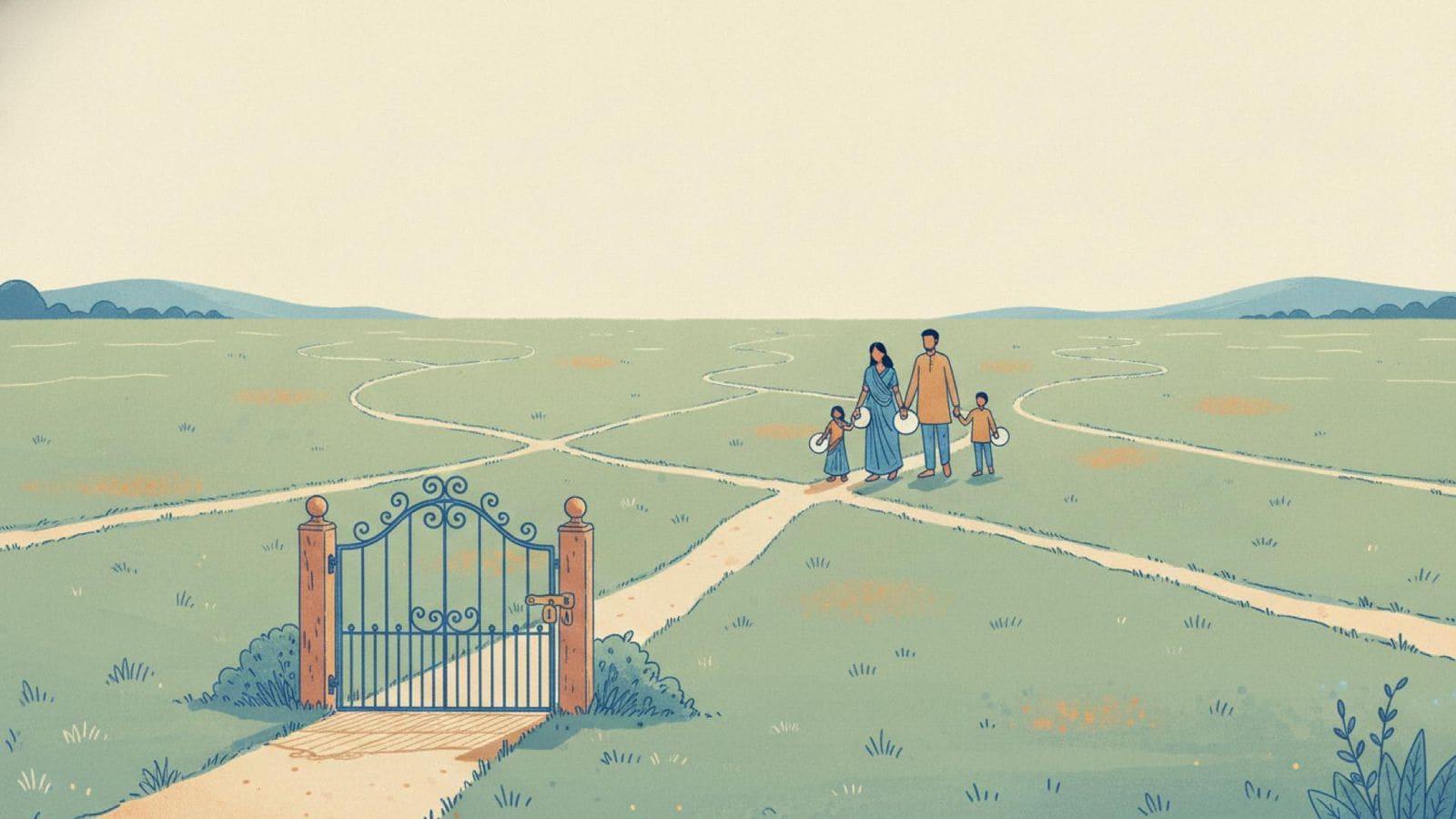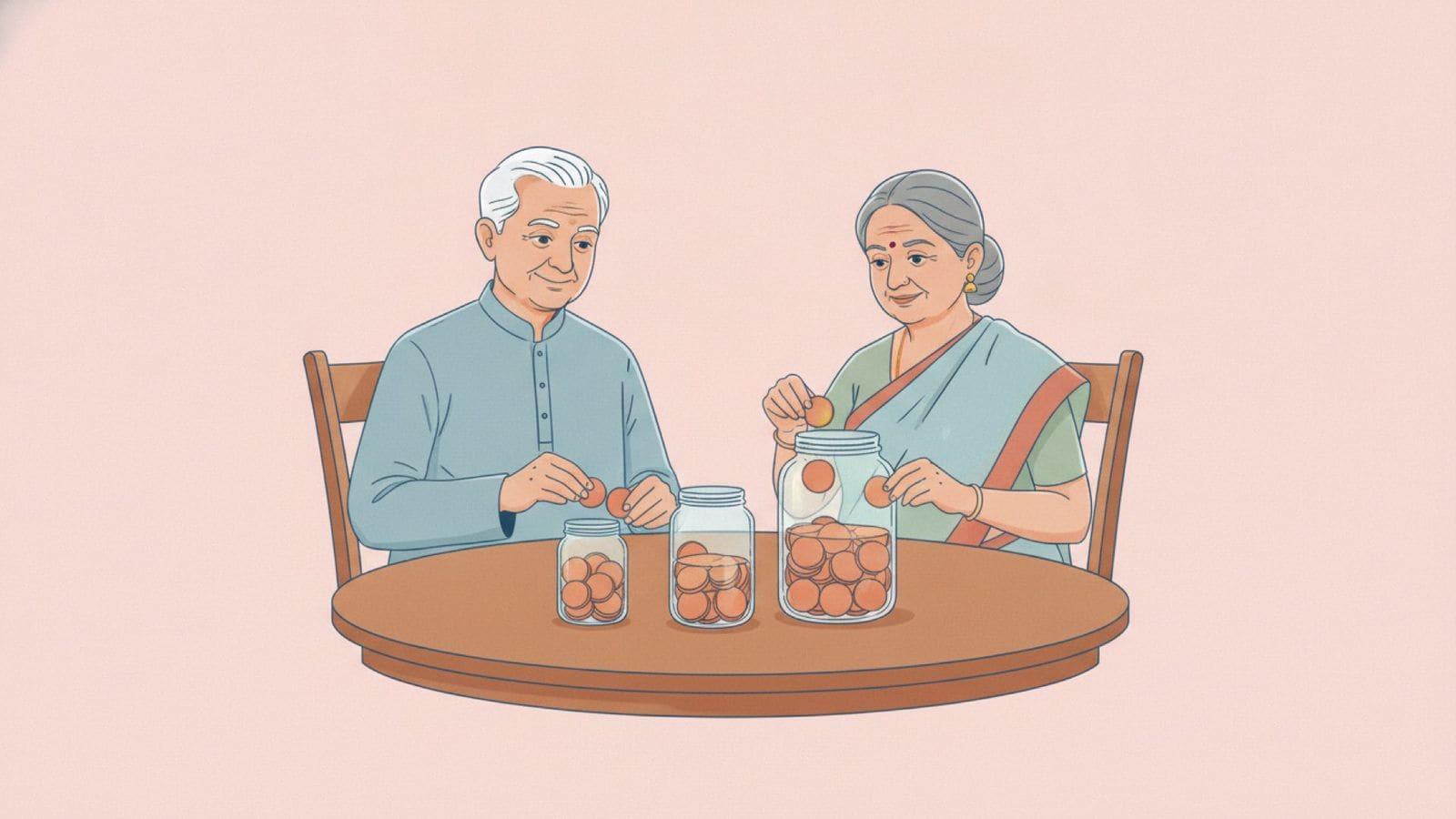
The minimum amount due is the smallest sum, often about 5% of your balance, that you can pay to keep a credit card active and dodge a late fee. Pay only that, and you fall into a trap: interest runs on your full balance at 36–45% a year, and you lose the interest-free grace period on new spends.
The minimum due is designed to look manageable. That is exactly what makes it costly. It keeps you paying, month after month, while the balance barely moves.
The minimum-due trap at a glance
What is the minimum amount due on a credit card?
Every card statement shows two numbers: the total amount due and the minimum amount due. The minimum is usually about 2 to 5% of your outstanding balance (it varies by issuer), plus any EMI instalments, fees, or over-limit amounts.
Paying at least the minimum by the due date does one useful thing: it avoids a late-payment fee and stops the account being reported as delinquent. That is the whole of its value. It is not the amount that clears your bill, and treating it as if it were is where the trouble starts.
What happens if you pay only the minimum due?
Two things, and both work against you.
First, the unpaid balance carries forward and starts accruing interest at the card's monthly rate, typically around 3% to 3.75% a month, which is roughly 36–45% a year. That interest is charged on the whole balance, not just the part you left unpaid.
Second, you forfeit the interest-free grace period. Normally, if you pay in full, new purchases get up to 45 to 50 days interest-free, depending on where in the billing cycle you buy. The moment you revolve a balance, that breather disappears. Every new swipe is charged interest from the transaction date until you clear the full amount for a cycle or two. So even careful new spending is now costing you.
Why the balance barely moves
A ~5% minimum is built to cover the interest plus a thin sliver of principal. On a ₹50,000 balance at about 3.5% a month, the interest alone is roughly ₹1,750 (illustrative). A 5% minimum is ₹2,500, so only about ₹750 chips away at what you owe. At that pace it takes years to clear, and you pay a large multiple of the original amount in interest. Worse, as the balance falls the minimum falls with it, stretching the payoff even longer.
| What happens | Pay in full | Pay only the minimum (~5%) |
|---|---|---|
| Interest charged | None | ~36–45% a year on the balance |
| Grace period on new spends | Kept (up to 45-50 days) | Lost – interest from day one |
| Balance next month | Cleared | Barely lower, now compounding |
Figures are illustrative and vary by card and issuer.
The part the statement doesn't shout about
- The grace-period loss is the hidden cost. Most people focus on the interest rate and miss that revolving a balance switches off the interest-free window on everything they buy next. That alone turns a convenient card into an expensive one.
- GST applies on the interest and fees. An 18% GST sits on top of the finance charges, adding to the bill you never quite see.
- Auto-pay set to "minimum" is the silent trap. Many people set auto-pay to the minimum due thinking they are covered. It protects the score from a late marker, but it enrols you in the cycle. Set auto-pay to the total due instead.
- It drags your credit score. A carried balance keeps your utilisation high, and high utilisation pulls down your CIBIL score.
How to get out of the minimum-due cycle
- Stop feeding the card. Use another payment method for new spends until the balance is cleared, so you stop losing the grace period.
- Pay far above the minimum. Put everything you can spare toward the full amount, not the smallest one.
- Fix the auto-pay setting. Switch it from "minimum due" to "total due" so a busy month never restarts the trap behind your back.
- Consider the mechanics for a large balance. Options like converting the outstanding to an EMI, or a balance transfer to a lower-rate window, can cut the interest while you clear it. Both carry fees and conditions, so read them before you commit.
- Once clear, pay in full every cycle. That restores the interest-free grace period and keeps utilisation, and your score, healthy.
Related nyvo guides
- How Many Credit Cards Should You Have?: why the right number is a behaviour test, not a magic figure.
- How to Improve Your CIBIL Score in India shows how low utilisation and on-time payments raise the score.
Open your card's app today and check what auto-pay is set to. If it says minimum due, change it to total due. That one setting is the difference between clearing your bill each month and renting your debt at 36–45% a year.