Closing a credit card takes one phone call, but doing it carelessly can cost you score points. Clear all dues and redeem your rewards first, then close your newest card rather than your oldest. Shutting a card shortens your credit history and shrinks your total limit, which pushes up utilisation and can dent your CIBIL score. Always get written confirmation.
The card feels like the easy thing to cancel: you don't use it, so why keep it. But your score is built partly on things a closure takes away: the length of your history and the size of your total limit. Close the wrong card, at the wrong time, and the number can slip just as you're about to need it.
What closing a card touches
Does closing a credit card hurt your CIBIL score?
Usually a little, and through two routes. First, credit utilisation, the share of your total limit you're using. Close a card and its limit leaves your total, so the same spending now eats a bigger share. Second, credit history: a card you've held for years adds length and depth to your report, and closing it can shorten your average account age. Both utilisation and history feed your CIBIL score, so a needless closure has a price.
Here is how the limit effect works, with illustrative numbers:
| Measure | Two cards open | After closing one |
|---|---|---|
| Total limit | ₹1,50,000 | ₹1,00,000 |
| Monthly spend | ₹30,000 | ₹30,000 |
| Utilisation | 20% | 30% |
Same spending, higher ratio, purely because the limit shrank. Utilisation above roughly 30% is where lenders start to read stress.
When does closing a card make sense?
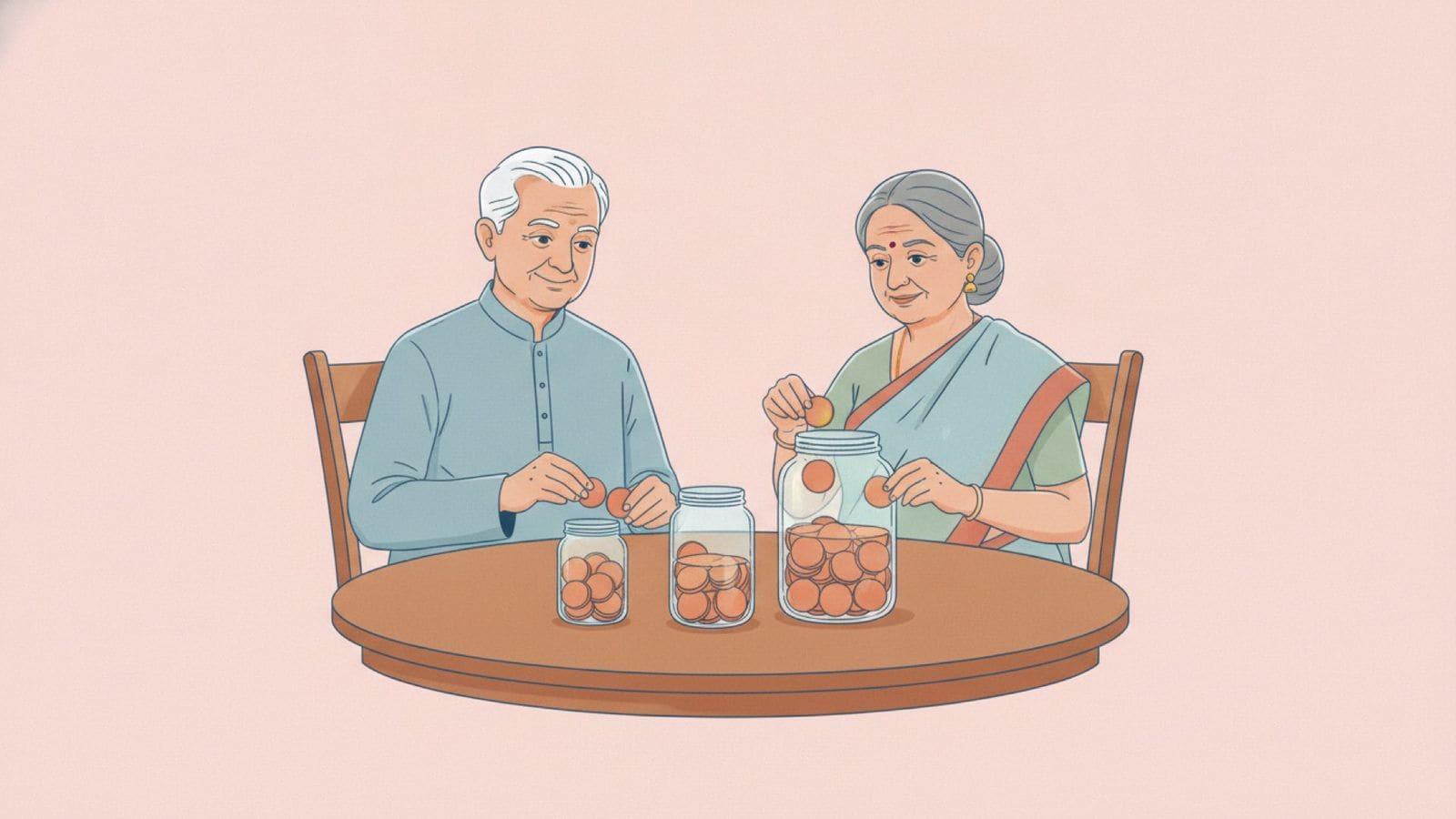
Closing isn't always wrong. A card with an annual fee you never earn back, a card that tempts you into overspending, or a wallet you simply want to simplify can all be fair reasons. But an old, no-fee card you rarely touch is usually worth keeping. Used lightly once a quarter, it keeps supporting both your history and your limit. Ask what the card actually costs you before you close it; if the answer is nothing, keeping it open is often the better move for your score.
Which card should you close?
If you decide to close one, protect the two things a closure erodes. Keep your oldest card; it anchors the length of your history. Keep the card with your largest limit; it does the most to hold your utilisation down. That usually means closing a newer card, or one with a fee you don't use. And avoid closing anything in the months before a big loan application, when a temporary dip in your score could nudge your interest rate up.
How to close a credit card, step by step
- Clear the full outstanding, including any EMIs running on the card. Never close a card with a balance.
- Redeem your reward points. Most points lapse the moment the account closes.
- Cancel standing instructions. Move any auto-debits (subscriptions, utility bills) to another card or account first.
- Request closure through the issuer's helpline, app, or netbanking, and note the reference number.
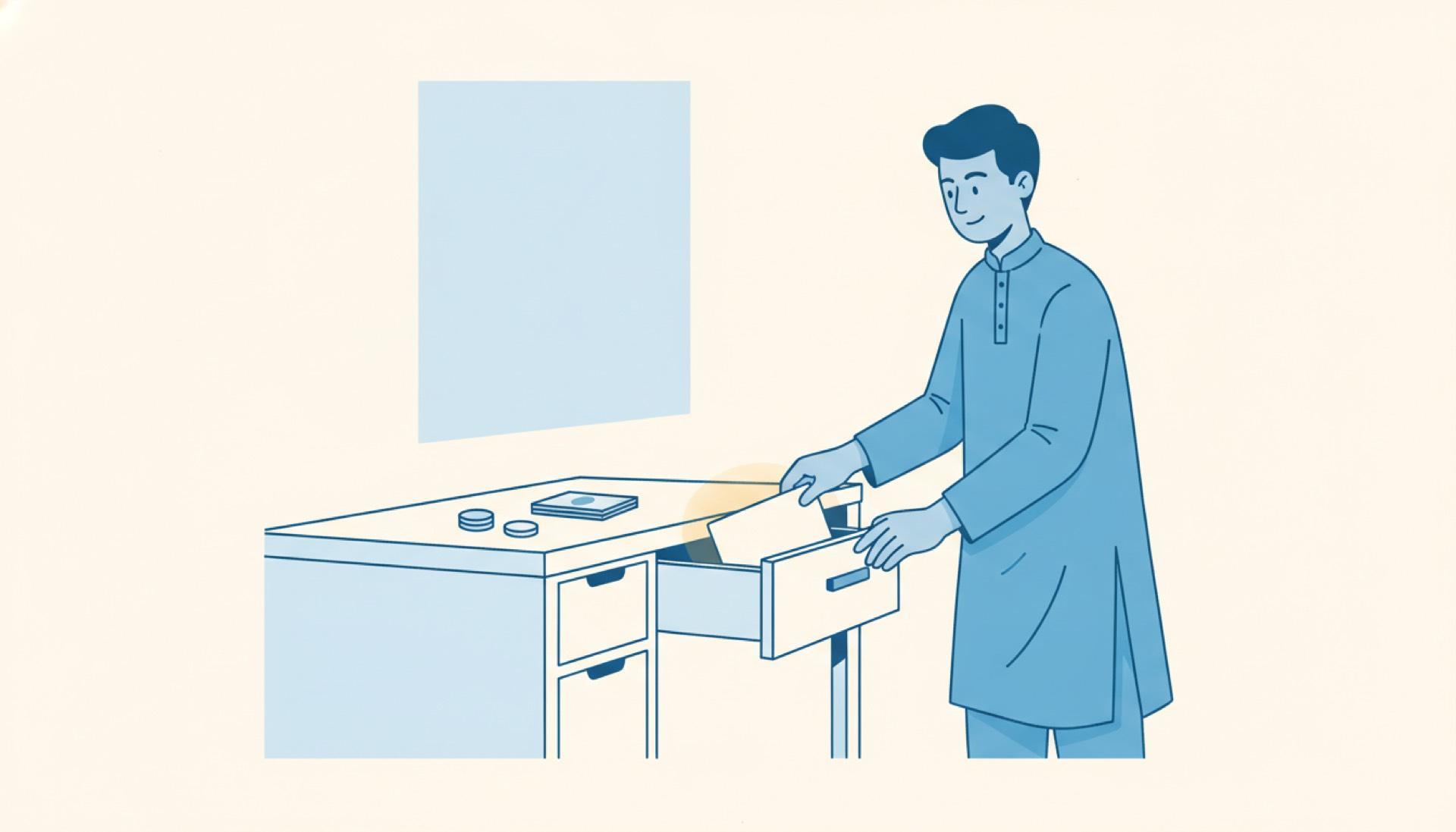
- Get it in writing. Ask for a no-objection certificate or written confirmation that the account is closed with a nil balance.
- Check your report after 30 to 45 days. Confirm it shows "closed" with a zero balance.
What to check on your credit report afterwards
One word matters: the account must read closed, not settled. "Settled" means the lender accepted less than the full amount and wrote off the rest, a partial default that can shadow your report for years. If the status is wrong, or the card still shows as open weeks later, raise a dispute with the bureau; the correction is free. And remember the RBI rule: once your dues are cleared, the issuer must close the card within seven working days, or owe you ₹500 for each day of delay.
Closing a card is mostly about the order you do it in. Clear the dues, redeem the rewards, keep the oldest and largest, and get the confirmation in writing. Then hold the issuer to the clock: seven working days to close the account once dues are nil, ₹500 owed to you for every day beyond that, and a report that should read "closed" within 45 days.
Related nyvo guides
- How to Improve Your CIBIL Score in India – why utilisation and history matter, and how to lift the number.
- What Counts as a Good CIBIL Score in India – the 750 threshold a closure shouldn't put at risk.
- How to Get Out of Credit-Card Debt in India – clear the balance before you close the card.