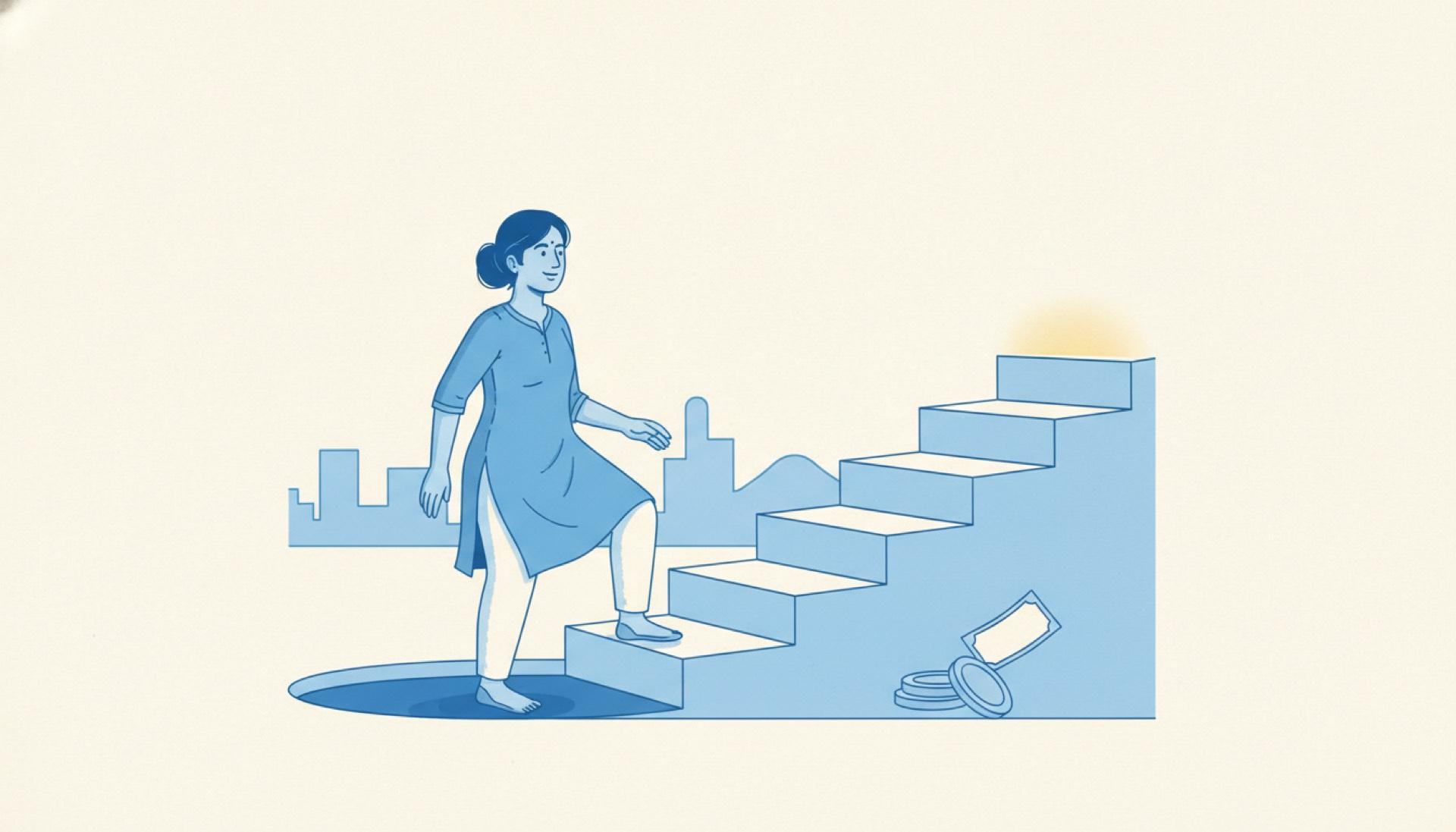
Credit-card debt in India carries interest of roughly 36–45% a year, which compounds monthly and grows faster than almost any investment. The way out is to stop clearing only the minimum due, freeze new spends, and attack the balance in a fixed order: highest interest rate first for maximum saving, or smallest balance first for momentum. Clearing it is the biggest certain saving you'll find.
Most people treat a card balance as a background cost they'll deal with later. The maths makes that expensive. At these rates, the debt outruns almost anything you could earn by investing the same money, so the balance isn't a nuisance to manage. It's the single highest-priority rupee in your budget.
The cost of a revolving card balance
Why is credit-card debt so hard to escape?
A credit card is the most expensive everyday borrowing most people ever use. Interest runs at roughly 3 to 3.75% a month, which is about 36 to 45% a year, and it compounds monthly. The moment you carry a balance instead of paying in full, two things happen: interest starts accruing on the whole outstanding amount, and you lose the interest-free grace period on new purchases, so even fresh spends start racking up interest from day one. Pay only the minimum due, usually around 5% of the balance, and you stay current on paper while the debt barely shrinks. That is the design.
Step 1: Stop paying only the minimum due
The minimum-due line is the trap. It keeps the account active and your score intact, but it is calculated to keep you in debt as long as possible. Pay as far above the minimum as you can every month: ideally the full statement balance, but if not, a fixed large amount you decide in advance, not the number the bank suggests. Every rupee above the minimum goes straight against the principal that's compounding.
Step 2: Freeze new spends on the card
You can't empty a bucket that's still filling. Move daily spending to UPI or a debit card so nothing new lands on the card while you clear it. This also restores the grace period once the balance hits zero, so you stop paying interest on groceries and fuel. Clearing a card you keep swiping is just running to stand still.
Step 3: Choose a payoff order (snowball or avalanche)
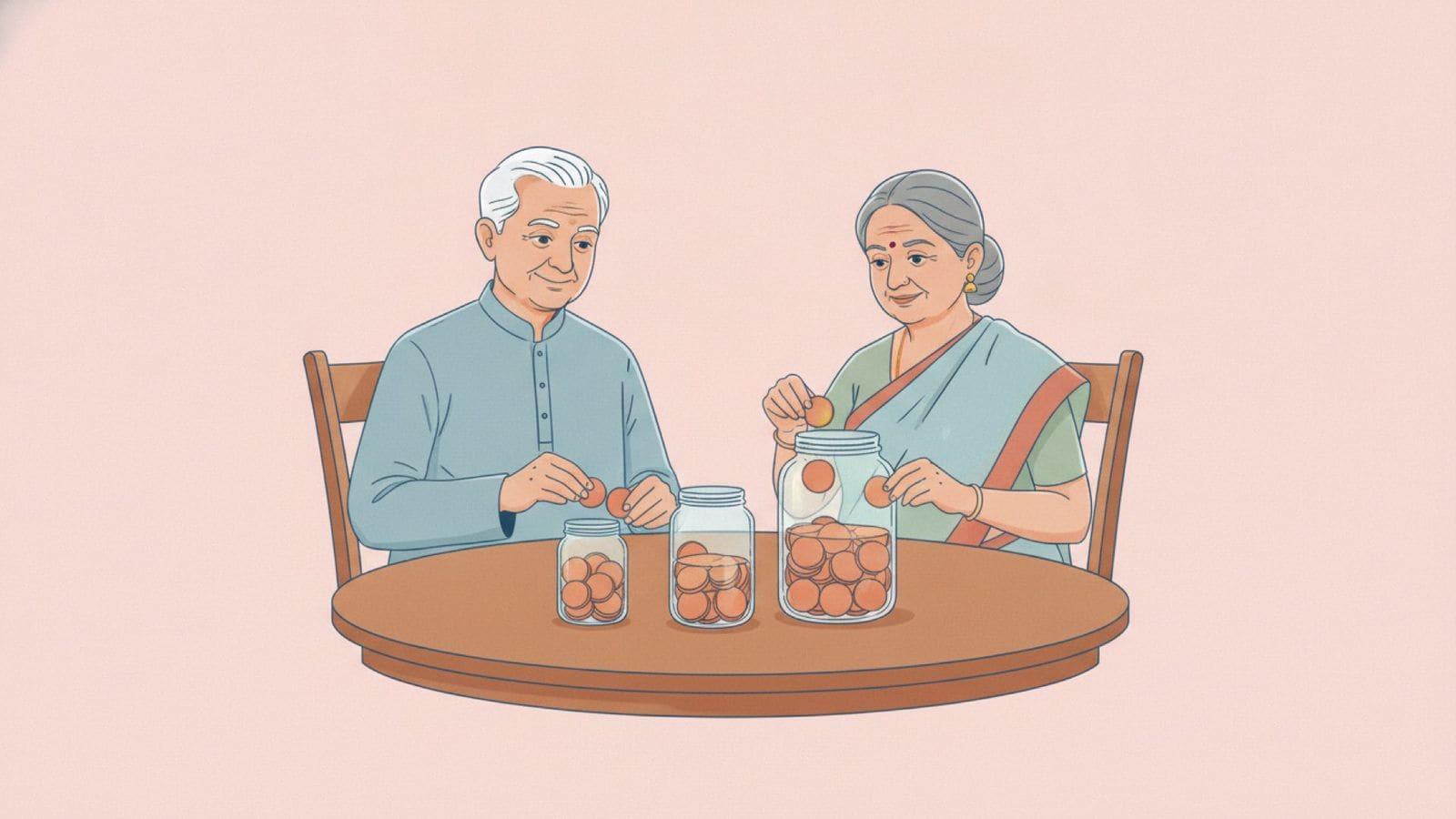
If you carry balances on more than one card, the order you clear them in matters. Two methods are common, and neither is a recommendation; they're just different routes to the same place. Pay the minimum on every card to stay current, then throw all your spare money at one card at a time.
| Method | Clear first | Best for |
|---|---|---|
| Avalanche | The highest interest rate | Saving the most money overall |
| Snowball | The smallest balance | Quick wins and staying motivated |
The avalanche saves you the most in rupees. The snowball gives you a visible win sooner, which helps if motivation is the thing that keeps slipping. Pick the one you'll actually follow through to the last card. A method you abandon saves nothing.
Can a lower-rate option help?
Sometimes the fastest way to cut a 40% interest bill is to move the debt somewhere cheaper, but only if the new rate is genuinely lower and you stop adding to the card. A balance transfer buys a low or zero-rate window to clear the balance; it works only if you actually clear it inside that window. Consolidating several dues into one lower-rate loan can simplify repayment and cut the rate. Each of these swaps expensive debt for cheaper debt. They don't erase it, and they backfire if you run the cards back up.
How do you stop it coming back?
Clearing the balance is half the job; staying clear is the other half. The reason most card debt returns is a shock (a medical bill, a job gap) that goes straight onto the card because nothing else can absorb it. A small emergency fund breaks that loop. As the balance falls, your utilisation drops and a run of on-time payments rebuilds your CIBIL score, so the next loan you genuinely need costs you less.
No investment you own earns 36–45% a year. Your card charges it. Clear the balance in a fixed order, keep new spends off the card, and take the guaranteed win.
Related nyvo guides
- How to Close a Credit Card Without Hurting Your Score – what to do with a card once you've cleared the balance.
- How to Improve Your CIBIL Score in India – rebuilding the number as your balances fall.
- Emergency Fund: How Much Do Indian Families Actually Need? – the buffer that stops debt from creeping back.