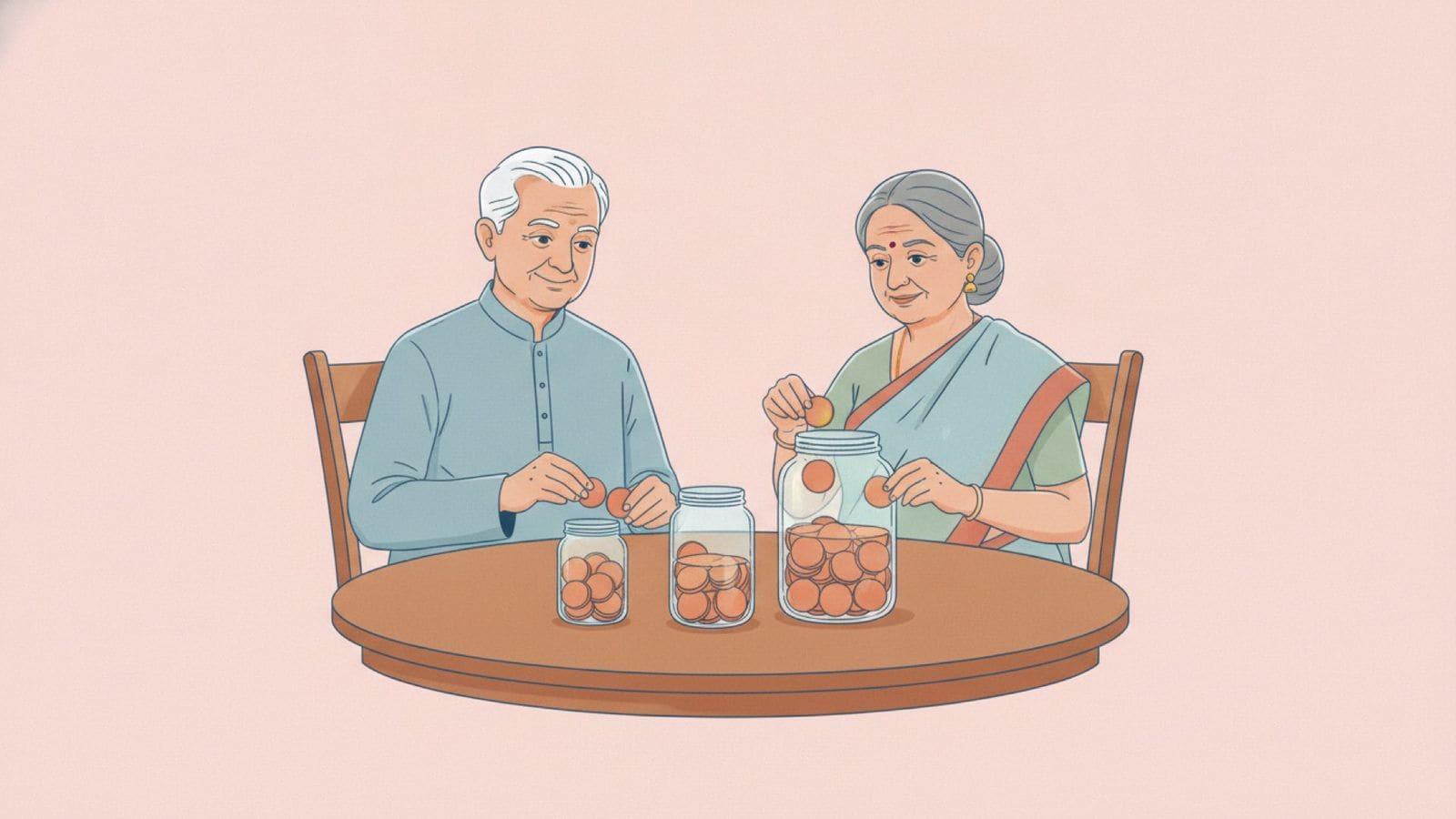
Loan foreclosure means clearing the entire outstanding balance in one payment and closing the loan before its scheduled end. It saves the most when you do it early, because loan interest is front-loaded: the first years of an EMI are mostly interest. On floating-rate loans taken by individuals, the RBI bars any foreclosure charge.
Foreclosing late in the tenure, when most of the interest is already behind you, saves far less than people expect. Timing is the whole decision.
Why the timing matters (illustrative, 20-year loan)
What does loan foreclosure mean?
Every EMI you pay is split into two parts, interest for the lender and principal that reduces your balance. Foreclosure is when you hand over the whole remaining principal at once and end the loan. The account closes, no more EMIs are due, and every rupee of interest you would have paid over the rest of the tenure simply never happens. That saved future interest is the entire benefit. How large it is depends almost completely on when you do it.
Why foreclosing early saves the most
Loans are amortised so that early EMIs are mostly interest and later ones mostly principal. On a typical 20-year home loan, the interest portion of your very first EMI can be over 80%; by the final years, an EMI is almost all principal. There is no trick here, just how interest on a shrinking balance works, and it changes the arithmetic of foreclosure completely.
Foreclose in year three and you cancel a long runway of heavily-interest EMIs, so the saving is large. Foreclose in year eighteen and most of that interest is already paid; you are mainly returning principal you would have returned anyway. The rule is simple: the value of foreclosure falls sharply the longer you wait. A prepayment calculator shows the gap clearly for your own numbers.
Are there foreclosure charges? The RBI rule
Here is the fact that decides whether foreclosure is even worth it: on floating-rate loans to individuals, the RBI does not allow lenders to charge any foreclosure or prepayment fee (extended to certain business-purpose loans from 1 January 2026 under the 2025 Directions). Most home loans and many other retail loans are floating-rate, so for them, closing early costs nothing extra.
Should you empty your savings to foreclose?
Foreclosing locks in a certain saving equal to your loan's interest rate. Clear an 11% loan and you stop paying 11% a year on that money. That is a genuinely good deal, which is exactly why it tempts people to overreach.
Two more things to weigh before you clear the whole loan. Under the old tax regime, a home loan carries deductions on interest and principal that foreclosing ends (the new regime allows no such deduction for a self-occupied home), so factor those in rather than looking at the rate alone. And the same lump sum could be doing other work; if the loan is already cheap and late in its tenure, the money may serve you better as an invested or emergency buffer than as saved interest. Treat it as a trade-off to run before you sign the closure form, not a rule to follow blindly.
What to collect after you foreclose
Closing the loan is not done when the money leaves your account. Get the no-objection certificate (NOC) and a closure statement in writing. On a secured loan, make sure the lien on your asset is lifted. For a property, that means the original documents back and the charge removed at the registry; for a vehicle, the hypothecation cleared from the registration. Finally, check after a few weeks that your credit report shows the account as closed. An unreleased lien or a report still showing the loan as live tends to surface as a problem years later, usually when you next need credit.
Related nyvo guides
- Loan Prepayment: How to Do It Right: the partial version, and how to squeeze the most from smaller extra payments.
- Where to Keep Your Emergency Fund – the buffer to protect before you put a lump sum towards a loan.
- How to Improve Your CIBIL Score in India explains why a cleanly closed loan reads well on your report.
Foreclosure is a good move made at the wrong time more often than people realise. Early, with surplus cash and no fee, it is close to free money. Late, or funded out of your emergency buffer, it saves little and leaves you exposed. Check which year of the tenure you are in before you check your bank balance.