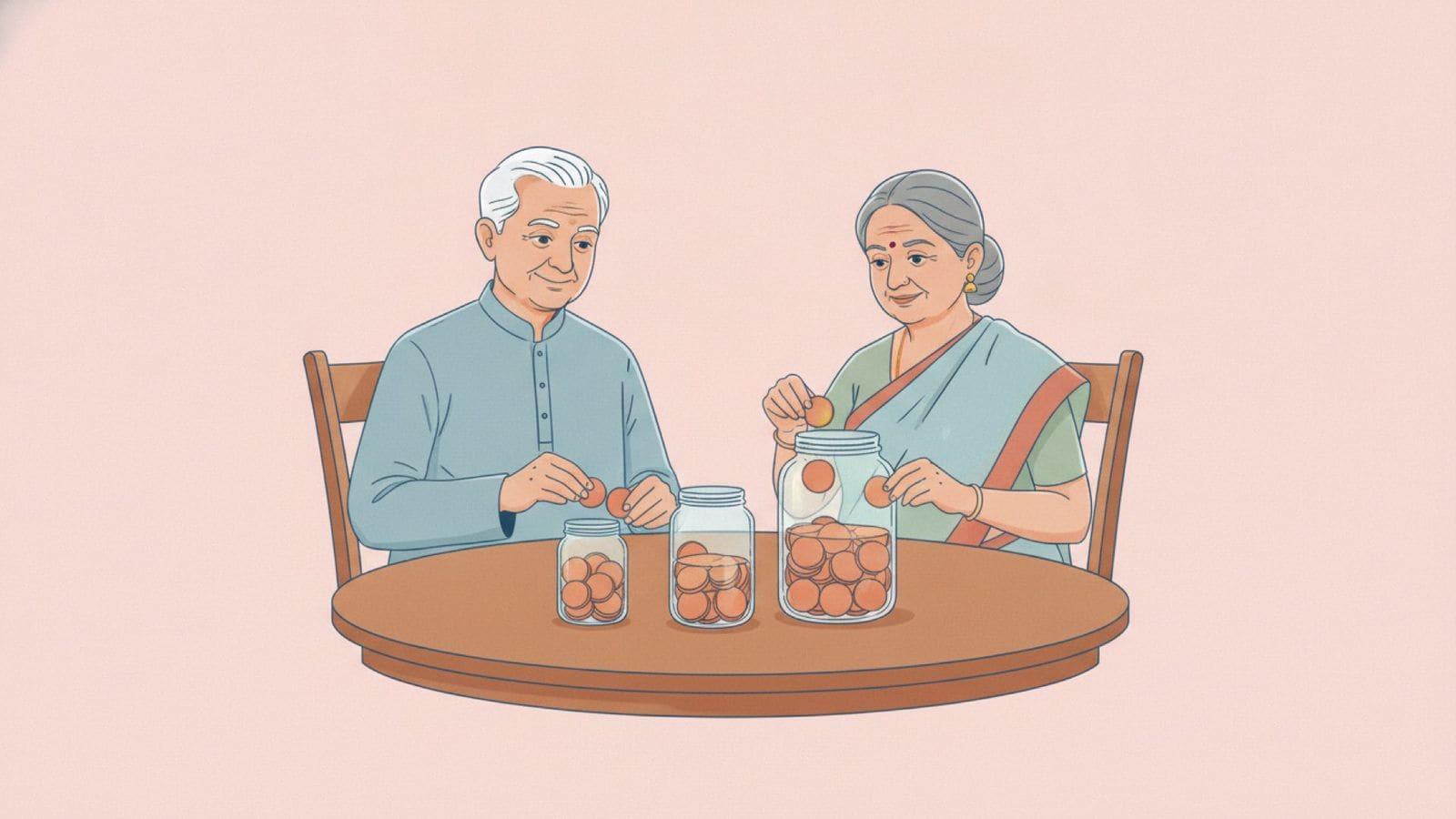

Loan prepayment means paying extra towards your loan principal, on top of your regular EMIs. Do it early and ask the lender to cut the tenure, not the EMI. That is where the interest saving is largest. On floating-rate loans to individuals, the RBI allows this with no prepayment penalty.
Two decisions make or break a prepayment: when you pay, and what you ask the lender to shorten. Get both right and small extra payments add up to a large saving.
What decides your prepayment saving
What is loan prepayment?
There are two flavours. A part-prepayment is a lump sum you pay towards principal while the loan continues, say ₹2 lakh into a running home loan. A full prepayment, or foreclosure, clears the entire balance and closes the loan. This guide is mostly about the first, because that is the move most borrowers can repeat often. Every extra rupee of principal permanently removes the future interest that rupee would have carried, which is why prepayment beats letting the loan run.
Why prepay early?
Loans are amortised, so early EMIs are mostly interest and later ones mostly principal. That front-loading is the single fact that governs prepayment. Extra principal paid in year two cancels interest across the long, interest-heavy stretch still ahead. The same amount paid in year eighteen removes almost nothing, because there is barely any interest left to cancel.
So the instinct to "wait until I have a big enough sum" usually costs you money. A series of small prepayments made early, each shortening the loan, beats one large payment made years later. Run your own numbers through a prepayment calculator and the early-versus-late gap is stark.
Reduce the tenure or the EMI?
When you part-prepay, the lender asks whether to keep your EMI and shorten the tenure, or keep the tenure and lower the EMI. This choice matters more than most people realise.
| If you prepay and… | What changes | Interest saved |
|---|---|---|
| Keep the EMI, cut the tenure | The loan ends sooner | Most – you skip whole months of interest |
| Keep the tenure, cut the EMI | Your monthly outgo falls | Less – you still pay across the full original term |
Cutting the EMI feels good because your monthly outgo drops, but it keeps you in debt for the full original term and hands the lender more total interest. Cutting the tenure keeps your budget where it already is and ends the loan, and the interest, sooner.
Is there a prepayment penalty?
For floating-rate loans to individuals, the RBI bars lenders from charging any prepayment or foreclosure fee (extended to certain business loans from 1 January 2026 under the 2025 Directions). You can pay extra freely, as often as you like, at no cost.
How to prepay without hurting your safety net
Prepayment saves you the loan's interest rate with certainty, which makes it one of the best uses of spare money. But only spare money. Do not drain your emergency fund to prepay; the interest you save is small comfort if a job loss then forces you into a fresh, high-rate loan. Clear the whole emergency buffer target first, then prepay with what is genuinely surplus.
There is also the prepay-or-invest question in full. Prepaying a high-rate loan (anything near credit-card or personal-loan territory) almost always wins, because clearing costly debt is a large and certain saving. For a cheap, late-stage home loan, the money might work harder invested, though that carries risk the certain saving does not. Weigh the certainty against the possibility rather than assuming one answer.
Related nyvo guides
- Loan Foreclosure: Should You Prepay in Full?: when clearing the whole loan at once makes sense, and when it does not.
- Debt Consolidation in India: How It Works shows how to turn many scattered dues into one cheaper loan you can then prepay.
- Saving vs Investing: Which Comes First? – the framework behind the prepay-or-invest call.
Prepayment rewards habit, not heroics. Modest extra payments made early, each one shortening the tenure, beat a grand gesture made years too late. And once your buffer is whole and the loan is cheap, the question changes from how to prepay to whether to prepay at all. That is the prepay-or-invest call, and it deserves its own sitting.