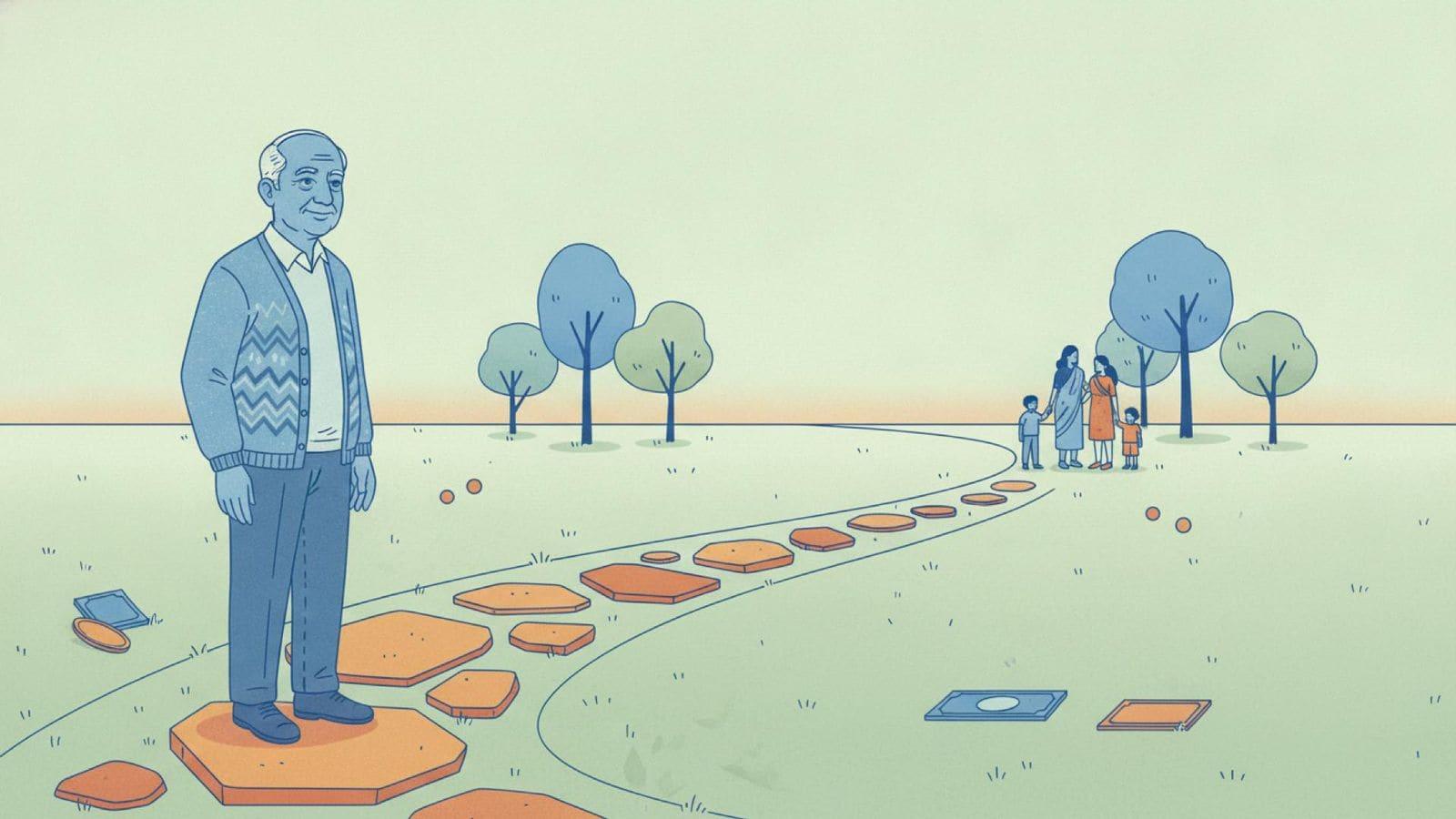
Your PF, gratuity and leave encashment have arrived, often more money than you have ever held at once. Before deciding where to put it, decide when you will need each part of it. Split it into money for the next two years, money for roughly years three to seven, and money for later, and match each part to how safe and how reachable it needs to be. Get the timing right and the choice of where becomes much simpler.
The questions Indian retirees ask most, FD or mutual funds, invest or repay the home loan, are questions about where. They are easier to answer once you know when.
First, what you will actually keep
The three payouts are taxed differently, and knowing the post-tax amount is the starting point.
How the three retirement payouts are taxed
The gratuity exemption guide shows how the gratuity formula works, and the gratuity calculator works out yours. The leave encashment limit of ₹25 lakh applies across your whole working life, so earlier encashments on changing jobs count against it.
Split the money by when you need it
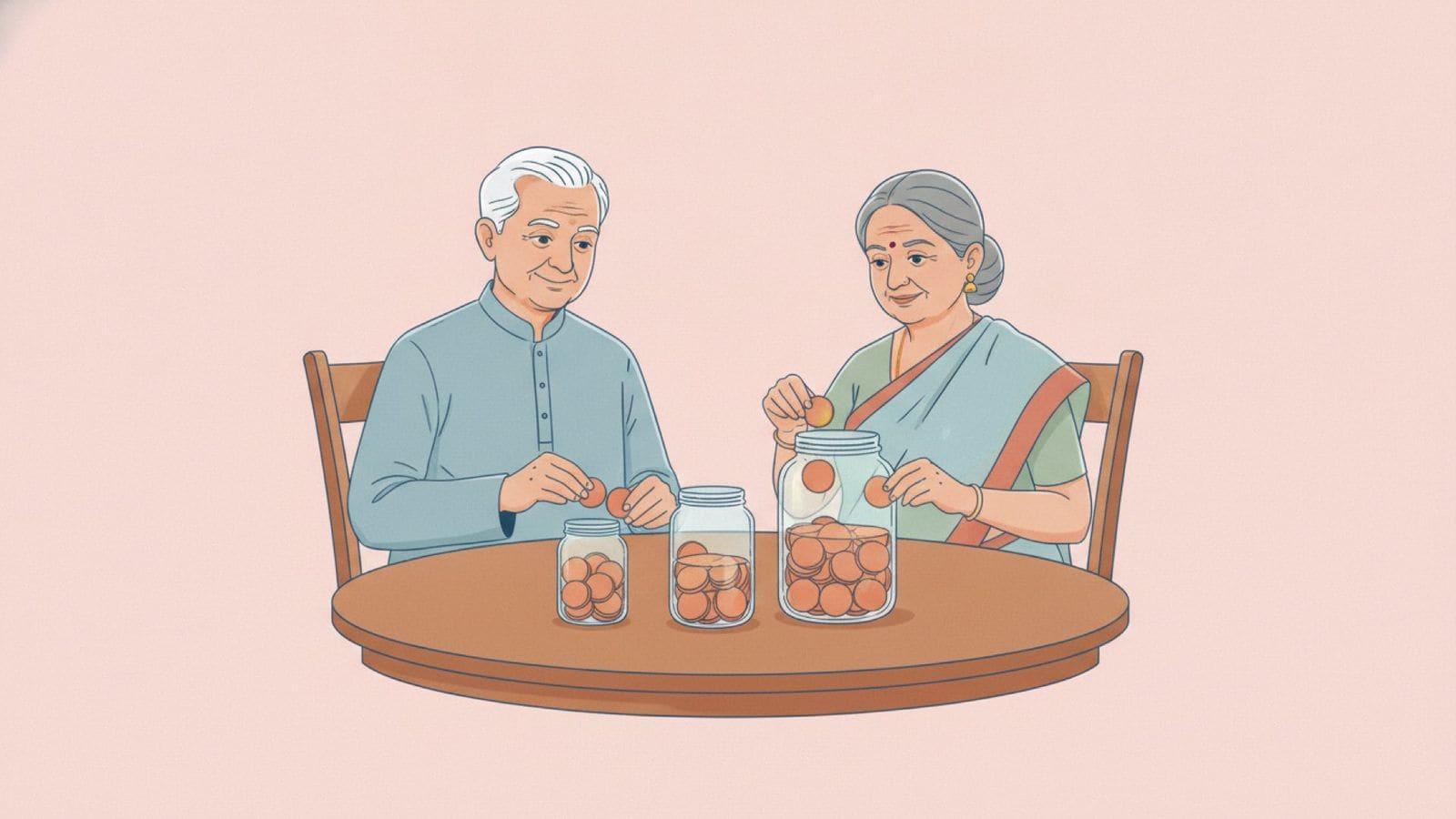
Three buckets for a retirement lump sum
- Years 1–2Spending money: safe and instant – savings account, FDs, liquid funds
- Years 3–7Income money: steady payouts – SCSS, POMIS, short-term debt
- Year 8 onwardGrowth money: some equity and hybrid, drawn later through an SWP
- Years 1–2Spending money: safe and instant – savings account, FDs, liquid funds
- Years 3–7Income money: steady payouts – SCSS, POMIS, short-term debt
- Year 8 onwardGrowth money: some equity and hybrid, drawn later through an SWP
The first bucket is the next two years of household spending, plus an emergency reserve. It has one job: be there when needed, at its full value. Returns barely matter.
The second bucket turns into income. This is where the schemes built for retirees fit. The Senior Citizens Savings Scheme pays 8.2% per annum (1 October 2026 to 31 December 2026), paid out every quarter, on up to ₹30 lakh per eligible person. The Post Office Monthly Income Scheme pays 7.4% monthly, on up to ₹9 lakh single or ₹15 lakh joint.
| Deposit | Every quarter | Monthly equivalent | Interest over 5 years |
|---|---|---|---|
| ₹10 lakh | ₹20,500 | ₹6,833 | ₹4,10,000 |
| ₹15 lakh | ₹30,750 | ₹10,250 | ₹6,15,000 |
| ₹20 lakh | ₹41,000 | ₹13,667 | ₹8,20,000 |
| ₹30 lakh | ₹61,500 | ₹20,500 | ₹12,30,000 |
The third bucket is money you will not touch for eight years or more, and it has to outgrow inflation over a retirement that may last 25 years. That usually means some equity and hybrid funds, from which you later draw a steady amount through a systematic withdrawal plan. Because it is not needed soon, a fall in the market does not force a sale.
Each year, refill the first bucket from the second, and the second from the third when markets are kind.
Invest it, or repay the home loan?
This is the most common question in retirement threads, and the answer depends on three things: what the loan costs after any tax benefit you still get, what the money could safely earn instead, and how much the EMI weighs on you. Repaying removes a fixed outgoing for good. Investing keeps the money reachable if health or family needs arise. Many retirees prepay part and keep part, but nobody should prepay a loan with the money meant for the first bucket.
What not to do in the first month
- Do not decide everything at once. Park the money safely, then make decisions over weeks, not days.
- Do not buy what is offered at the counter on retirement day. A product pitched to you because a large sum just landed is a product someone is paid to sell. Ask what it costs, how long it locks you in and what you get if you exit early.
- Do not put it all in one place. Spread it across the three buckets and, within them, across institutions.
Related nyvo guides
- Turning a Retirement Corpus into Monthly Income – the main ways to draw a corpus down.
- The First Five Years of Retirement Decide the Rest – why the near-term buckets matter so much.
- Gratuity Exemption: How Much Is Tax-Free – the gratuity formula and limits.
The lump sum feels like the end of a career's saving. It is really the start of a different job: making one large amount behave like a monthly salary for the rest of your life.