There’s No Such Thing as a Free Lunch – or a Free WhatsApp
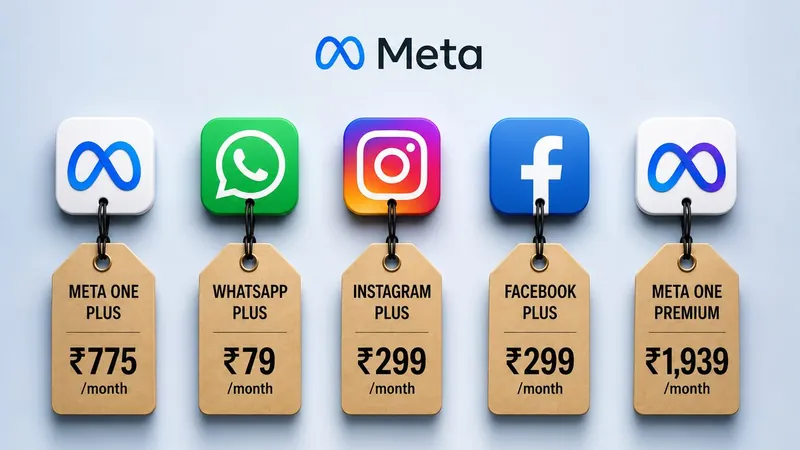
Milton Friedman said it in 1975. Meta just proved it in 2026.
You’ve been using WhatsApp for free since 2009. No ads, no fees, no gimmicks – that was literally the promise baked into the app when Jan Koum built it.
Meta bought WhatsApp in 2014 for $21.8 billion and kept that promise. Until last month.
The internet’s reaction was somewhere between “wait, what?” and “I knew this day would come.”
But here’s the question worth asking: Meta pulled in $196 billion in advertising revenue in 2025. So why do they need your ₹79?
Free Was Never Really Free
Economists have a term for this: TANSTAAFL – There Ain’t No Such Thing As A Free Lunch. Every “free” product has a hidden price or trade-offs. You just don’t always see who’s paying, or what with.
For 17 years, you paid for WhatsApp with something more valuable than money: your attention, your data and your behaviour. Every message pattern, every active hour, every contact network – fed into an ad-targeting engine. The app was free. The product was you.
Advertising is 98% of Meta’s revenue. But three cracks are showing – and that arrangement is getting harder to sustain.
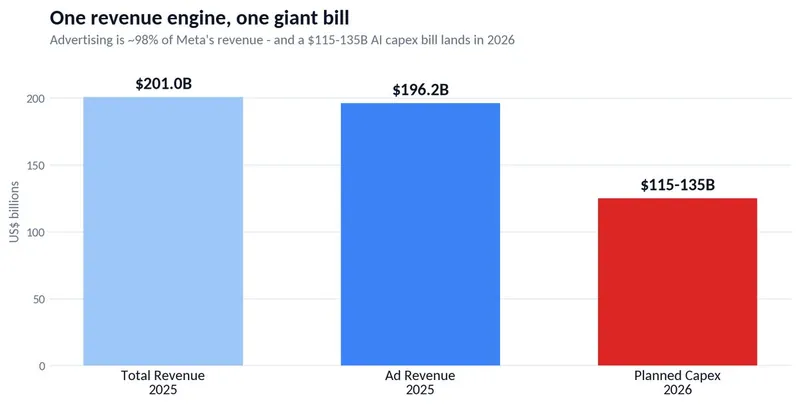
Source: Meta Q4 & Full Year 2025 Results.
Meta’s stock jumped nearly 3% the day the subscription news dropped. The subscription move isn’t about features. It’s about building a second engine before the first one loses horsepower.
The Psychology of the Subscription Trap
Here’s where it gets interesting. Subscriptions are, from a behavioural standpoint, almost unfairly well-designed.
Almost every other purchase in your life requires an active decision to spend. You walk into a store, you choose to buy. Subscriptions flip that entirely. Once you’re in, the default is to keep paying. Cancelling requires effort – finding the menu, clicking through retention screens, possibly a guilt-trip from customer support.
Behavioural economists call this status quo bias – the tendency to stick with the current state simply because changing it feels like work. Subscription businesses are built on it.
Then there’s the endowment effect. Once you’ve used a “premium” feature – say, Instagram’s story analytics or WhatsApp’s custom themes – for even a short trial, the free version starts feeling like a downgrade. Like something was taken from you.
You didn’t gain a feature. You lost a baseline. That psychological shift is worth far more to Meta than the ₹79/month.
The Lego Set
Meta isn’t just launching one subscription. They’re building an ecosystem of tiers – WhatsApp Plus, Instagram Plus, Facebook Plus, then Meta One Plus ($7.99/mo) and Meta One Premium ($19.99/mo) for AI. Creators get a tier. Businesses get one too.
Each builds their own Lego set. The pricing architecture does the work, no guessing required.
It feels like a choice. It’s actually a mechanism to extract each user’s maximum willingness to pay with minimal effort.
The Bigger Picture for Your Wallet
Meta is the test case here, not the whole story.
Every “free” platform is watching Meta’s experiment. If this works on WhatsApp – the most embedded app in Indian daily life – the template spreads.
Think about what’s already in your subscription stack: Netflix, Prime Video, Hotstar, Spotify, Google One, Swiggy One, Zomato Gold, your gym membership. Add social media to that stack and the subscription expenditure only increases.
Friedman was right. There’s no free lunch. You were always paying – with data, with attention, and now with the passive drain of autopay you might forget to audit.
Now in the nyvo app
Plan it for real in the nyvo app.
Goals, projections, fund grades and your whole family's money – in one place. Free. SEBI-registered.
Tools to try
Run the numbers yourself.
Free calculators that go with this issue. Built for Indian rules (rupees, inflation, tax regime).
- SIP Calculator – Monthly Mutual Fund Returns India
Estimate the future value of a monthly mutual-fund SIP in India. Enter your amount, expected return and horizon to see the corpus and gain split.
- FIRE Calculator India – Retire Early Corpus & Age
Financial Independence, Retire Early for Indian families: the corpus you need, the monthly SIP to reach it and your FIRE age. Set for 6-7% inflation.
← Newer issue
Having Lots of Credit Cards Is a Trap More Than a Power Move
Older issue →
Is PMS an Upgrade to Mutual Funds – Or Just a More Expensive One?
Also worth reading
5 June 2026
The Apps You Use Every Day Are Writing Their Own Rules
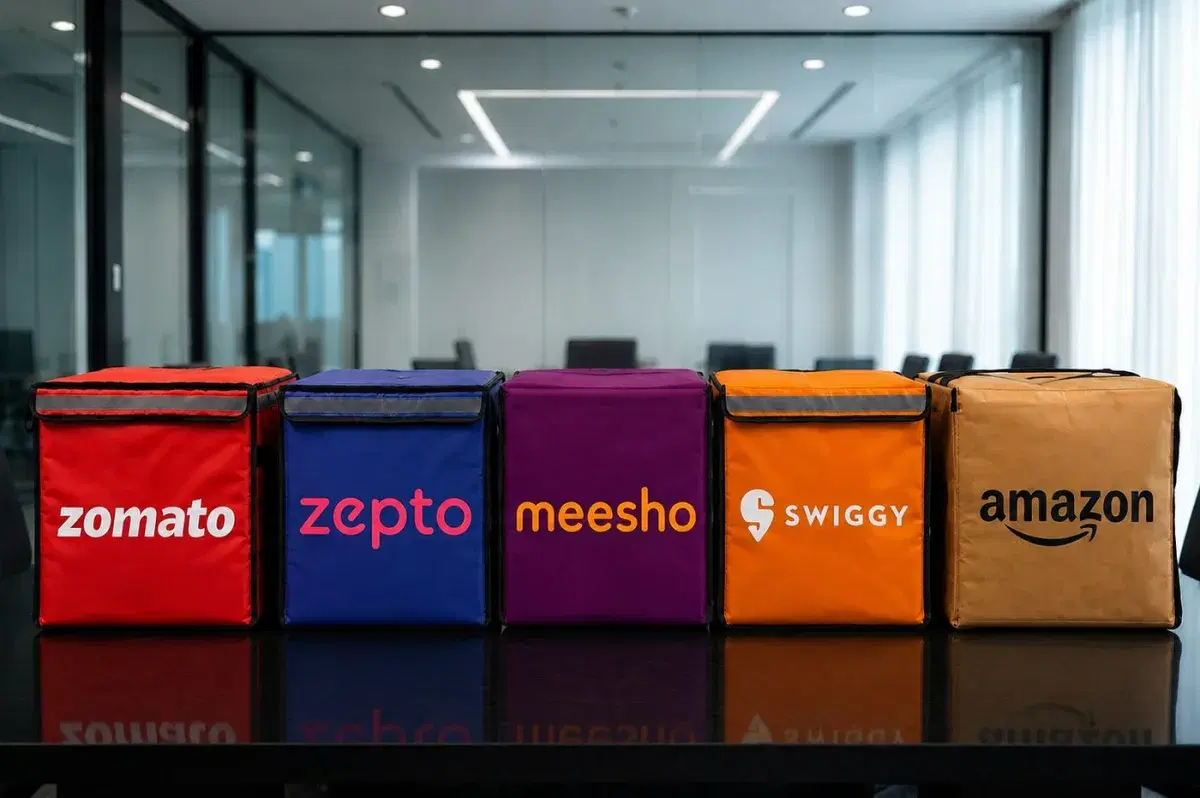
On June 1st, five giants – Amazon, Eternal, Meesho, Swiggy and Zepto – formed the Digital Commerce Coalition. One name is missing: Flipkart. Here's what seven years of regulatory pressure, eight platform-fee hikes and a room full of conflicts of interest add up to.
26 June 2026
Having Lots of Credit Cards Is a Trap More Than a Power Move
More credit cards feels like more power, but it's usually more trap – how stacking cards quietly raises spending, fees, and debt risk, and what actually helps your finances.