Having Lots of Credit Cards Is a Trap More Than a Power Move
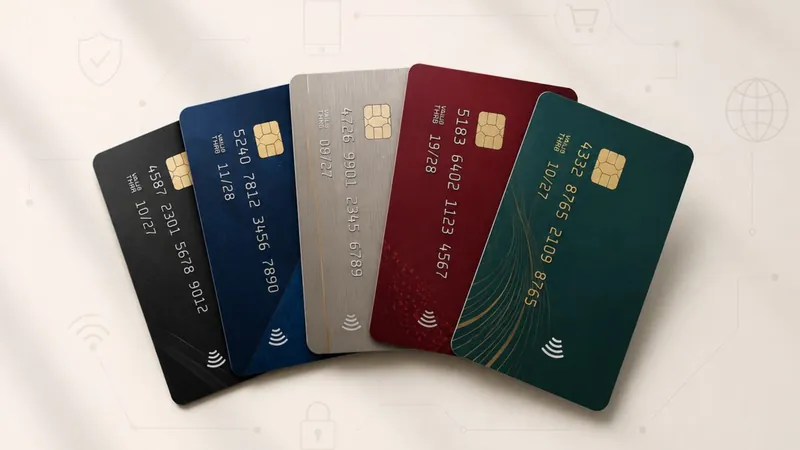
You think you’re working the system. The system is working you.
Five credit cards. Lounge access at four airports. Cashback on groceries, fuel, dining and OTT subscriptions. A wallet so stacked it barely closes.
For a certain kind of Indian urban professional, this has become a status signal. A sign of financial savviness. Proof that you know how to work the system.
Here’s what the system knows about you in return.
The more cards you carry, the more likely you are to carry debt on at least one of them. And the moment that happens – you’re no longer working the system. The system is working you.
The Interest Rate Hidden in Plain Sight
Credit card interest accumulates daily. Every morning, your card issuer divides your APR by 365 to find your daily rate. They apply this rate to your balance every day, compounding what you owe until it is billed at the end of the month.
This isn’t a technicality. It’s the design.
India has 118.63 million active credit cards as of March 2026. Total outstanding debt has crossed ₹2.9 lakh crore in 2025 – nearly 2.2x growth in four years.
Behind that number are millions of people doing everything right – paying every month, on time – and still watching their debt refuse to shrink.
The Minimum Payment Illusion
You owe ₹50,000. At 3.5% monthly interest, the bank charges ₹1,750 just to keep your account open. Your minimum payment is ₹2,500. Here’s where it goes:
| Where your ₹2,500 minimum payment goes | Amount | Outcome |
|---|---|---|
| Interest | ₹1,750 | Goes to bank |
| Actual debt repaid | ₹750 | Goes to you |
Next month: ₹49,250. Same math. Same trap. The debt doesn’t shrink.
The Trap Inside the Trap
Carry a balance forward even once, and two things happen at the same time.
To get the grace period back, you can’t just pay more. You must clear the entire outstanding balance – two billing cycles in a row.
The Annual Fee That Eats Your Rewards
Here’s the promise: spend big, earn cashback, recover the fee, come out ahead. Here’s the math.
Premium cards occasionally spike to 3–5% – but only on specific brand tie-ups, not your regular spending. And miss the spend threshold? The fee isn’t waived. You pay it in full.
Now add interest. Here’s what carrying just ₹1,000 on the card for a year (at 3.5% monthly) actually does:
| Carry ₹1,000 for one year | Amount |
|---|---|
| Interest you pay (3.5%/month) | ₹400+ |
| Rewards you earn (1%) | ₹10 |
Rewards aren’t a benefit for people who carry balances. They’re a distraction – designed that way, because whether you pay in full or not, the bank wins. The verdict is simple.
One Missed Payment. Lasting Damage.
Late payment fees run ₹100 to ₹1,300 plus 18% GST. But the fee itself isn’t the real problem.
In December 2024, the Supreme Court removed the 30% annual cap on credit card interest rates. Some banks already charge 45–48% annually.
And one missed payment can drop your CIBIL score by 50–100 points – quietly closing doors on home loans and car loans for years.
So What Should You Actually Do? Have Two Cards.
The card is a tool – but only if you control when and how much you spend on it.
Now in the nyvo app
Plan it for real in the nyvo app.
Goals, projections, fund grades and your whole family's money – in one place. Free. SEBI-registered.
Tools to try
Run the numbers yourself.
Free calculators that go with this issue. Built for Indian rules (rupees, inflation, tax regime).
- Home Loan EMI Calculator – Monthly EMI India 2026
Calculate monthly EMI, total interest and the principal/interest mix over your home loan tenor in India. Stress-test prepayments and rate changes.
- SIP Calculator – Monthly Mutual Fund Returns India
Estimate the future value of a monthly mutual-fund SIP in India. Enter your amount, expected return and horizon to see the corpus and gain split.
← Newer issue
Would a Vegetarian Portfolio Have Made You Richer or Poorer?
Older issue →
There's No Such Thing as a Free Lunch – or a Free WhatsApp
Also worth reading
25 June 2026
There's No Such Thing as a Free Lunch – or a Free WhatsApp
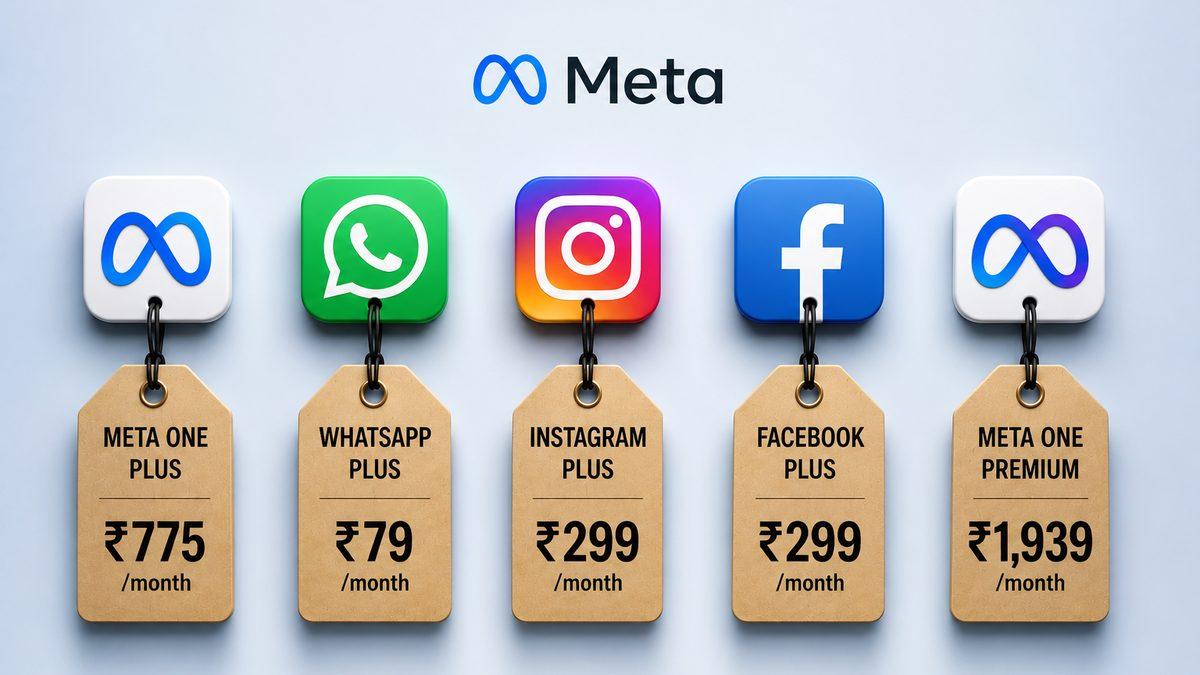
Meta is about to charge for an ad-free WhatsApp and Instagram in India – a lesson in why “free” apps were never free, and how subscription psychology quietly drains your wallet.

29 May 2026
You can't lose with SIPs: if you stick around long enough
Across 29 years of Indian equity market history and 120 diversified funds, no 10-year SIP investor has ever ended in the red. Not low probability – zero. The maths is straightforward; the behaviour is the hard part.