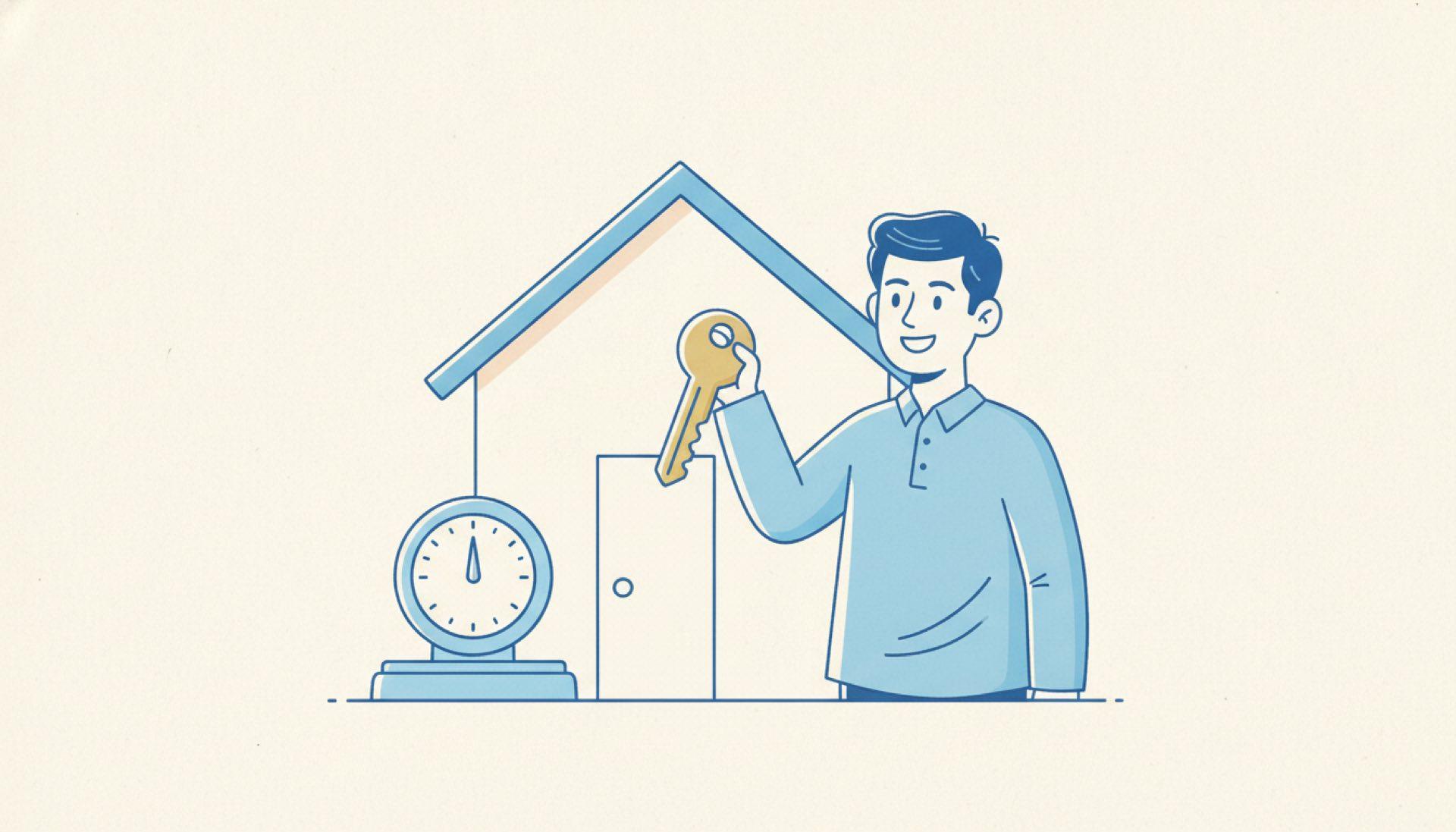
For anything large, the amount to save is not a guess; it is arithmetic. Fix the target, a down payment plus costs, or the full price plus a small buffer, divide it by the months until you buy, and save that much each month into a separate pot, without touching your emergency fund. The discipline, not a clever product, is what gets you there.
The mistake is to buy first and worry about the money after, or to raid savings meant for emergencies. A little planning turns a big expense from a debt trap into a solved problem.
Sizing a purchase fund (illustrative)
Build a sinking fund, not a raid on savings
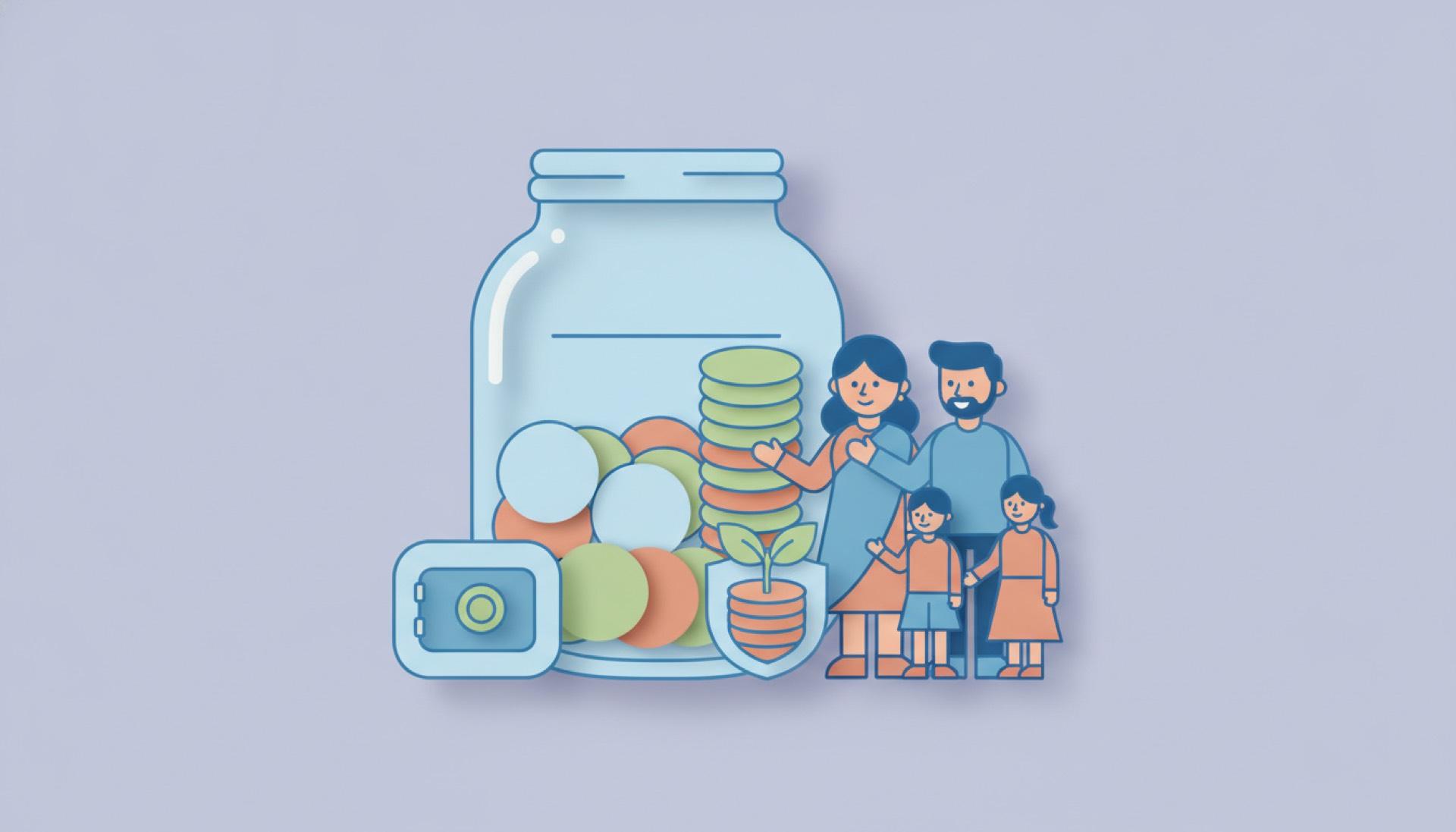
A sinking fund is a pot you fill on purpose for a known future cost: a car, a wedding, a home down payment, a big appliance. Instead of scrambling when the bill lands, you set aside a fixed amount each month so the money is ready on time. The whole point is to pay from savings rather than reaching for a loan or swiping a credit card and paying interest later.
It is the opposite of an emergency fund. An emergency fund is for the unexpected; a sinking fund is for the expected but not-yet-due. Keeping them in separate buckets stops one from cannibalising the other, which is the most common way purchase plans fall apart. The dedicated sinking fund guide covers how to run one across several goals at once.
Size the target, then divide by time
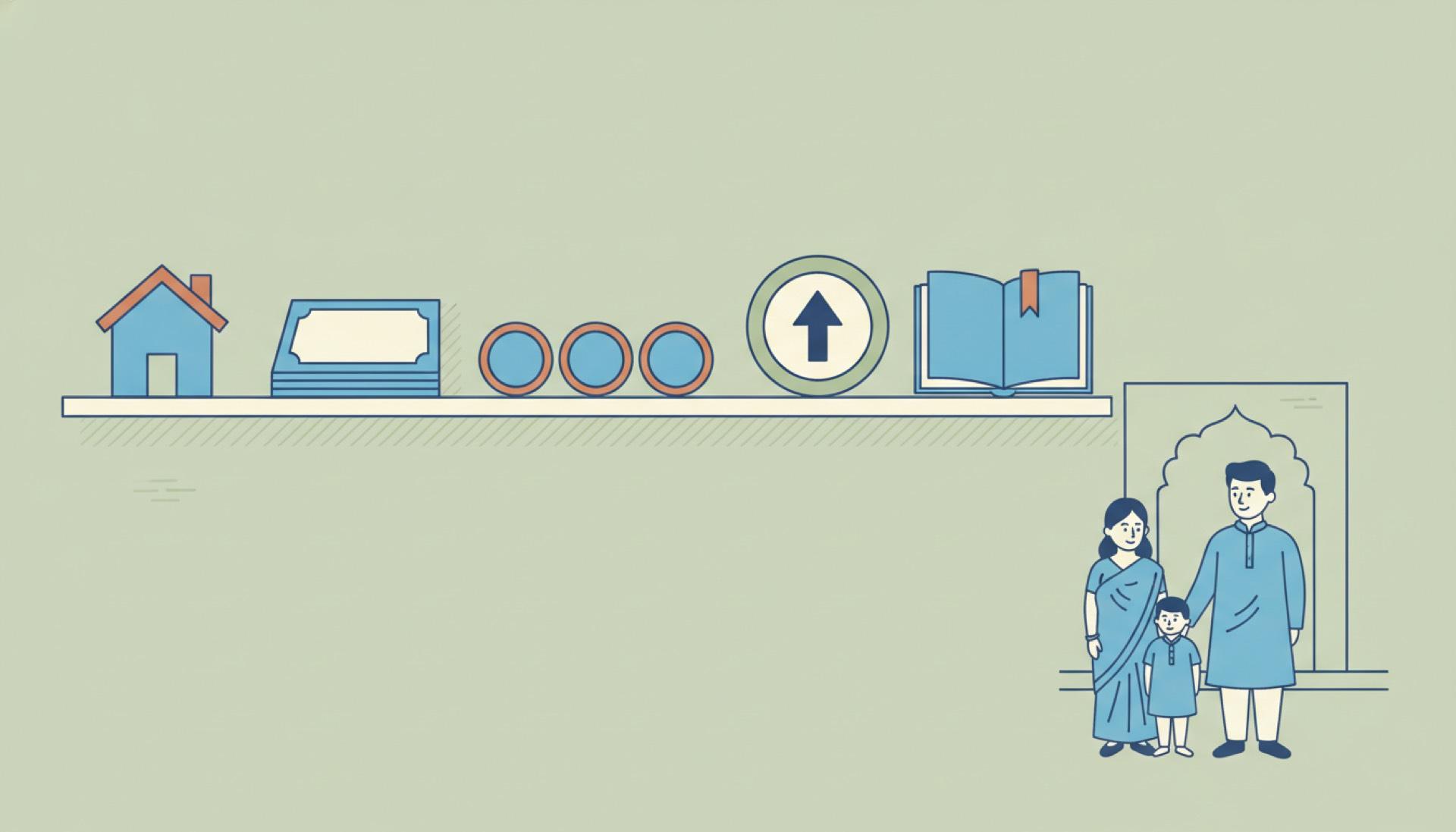
Start with the real target. If you are financing, that is usually the down payment plus the costs that come with it: for a home, the down payment plus stamp duty and registration; for a car, the down payment plus insurance and incidentals. If you are paying outright, it is the full price plus a small buffer for surprises.
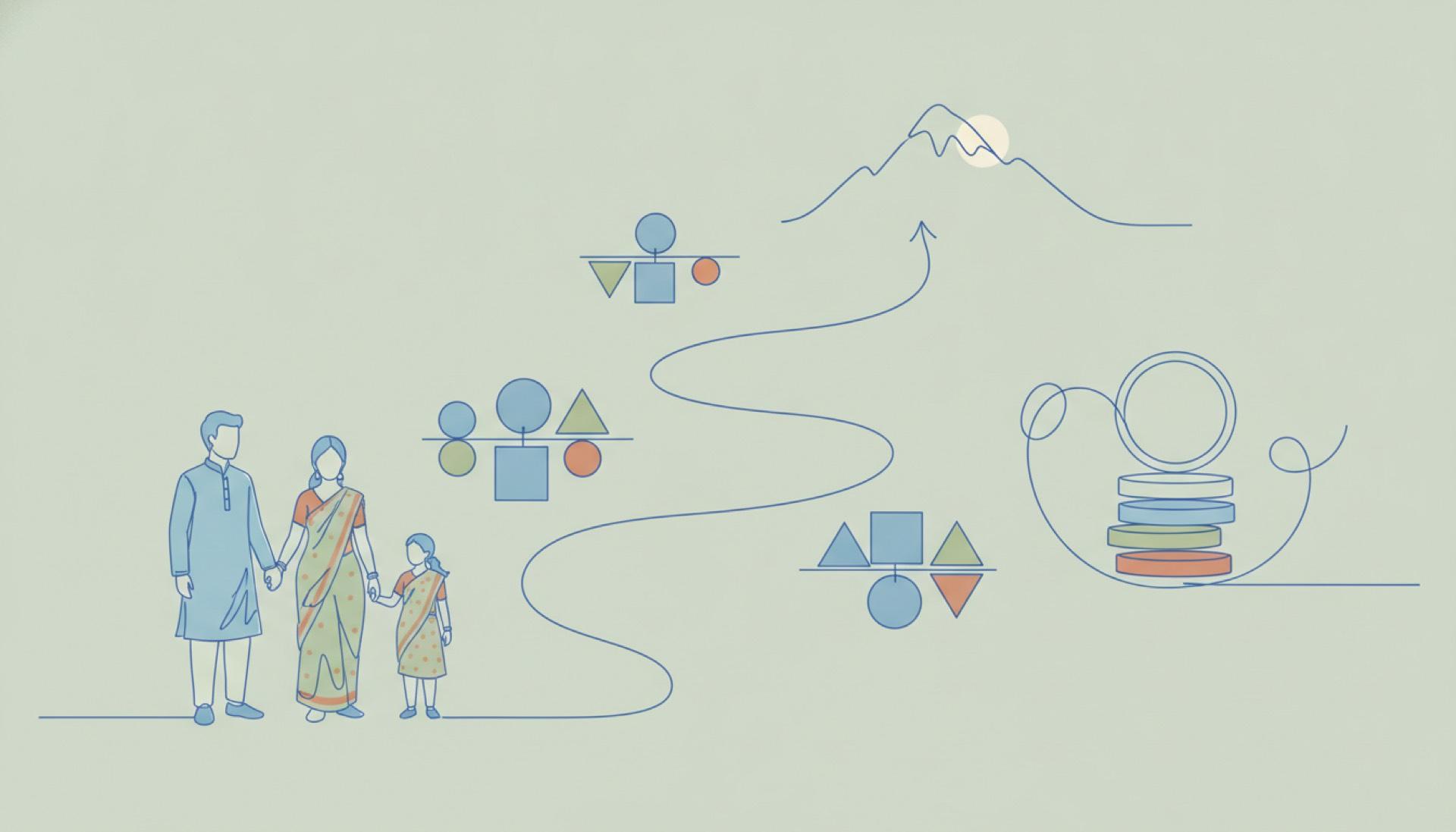
Then divide by your timeline. A ₹3 lakh target in 24 months needs ₹12,500 a month. A ₹2 lakh car down payment in 12 months needs about ₹16,700 a month. A ₹26 lakh sum for a home down payment plus costs, gathered over 5 years, needs roughly ₹43,300 a month (all illustrative, before any returns). Seeing the monthly figure early tells you whether the timeline is realistic or the target needs trimming. Lay it out properly with goal-based planning.
Keep the emergency fund out of it
The firmest rule here: your emergency fund is not part of the purchase budget. It exists for job loss, medical bills and genuine shocks. Spend it on a planned buy and you are exposed the moment real trouble arrives, often ending up borrowing at a high rate anyway.
So the true "ready to buy" test is two conditions at once: the purchase fund has reached its target, and your three-to-six-month emergency buffer is still whole. If buying would breach the second, the sensible move is usually to wait, shrink the purchase, or lengthen the timeline, rather than borrow against your own safety.
Where to park a short-term goal
How you hold the money should match the timeline. For goals within two to three years, capital safety matters more than growth, because a market dip right before you buy can wreck the plan. Near-term savings are generally kept in safer, liquid places that hold their value, so the money is intact and reachable on the date you need it.
For a goal many years away, some growth-oriented investing can help the fund keep pace, accepting that market returns are uncertain and can fall. The longer the runway, the more room there is for that risk; the shorter it is, the more you lean on safety. Match the vehicle to the deadline, not to the highest possible return.
One more discipline keeps the plan honest: automate the monthly transfer into the purchase fund on payday, before the money can be spent elsewhere. Treating the saving like a fixed bill, rather than whatever is left at month-end, is usually the difference between hitting the target on time and slipping the date. If a month is tight, pause the transfer rather than dipping into the emergency fund to make the purchase.
Related nyvo guides
- Goal-Based Planning 101 – turn a target and a date into a monthly number you can actually save.
- Emergency Fund: How Much You Need in India – the buffer to protect while you save for the purchase.
- Rent vs Buy a Home in India – where a large down payment fund is often headed.
The arithmetic stays this simple at any size: ₹3 lakh in 24 months is ₹12,500 a month; ₹2 lakh in 12 is about ₹16,700. Set the payday transfer, leave the emergency fund alone, and the purchase date arrives with the money already in the pot.