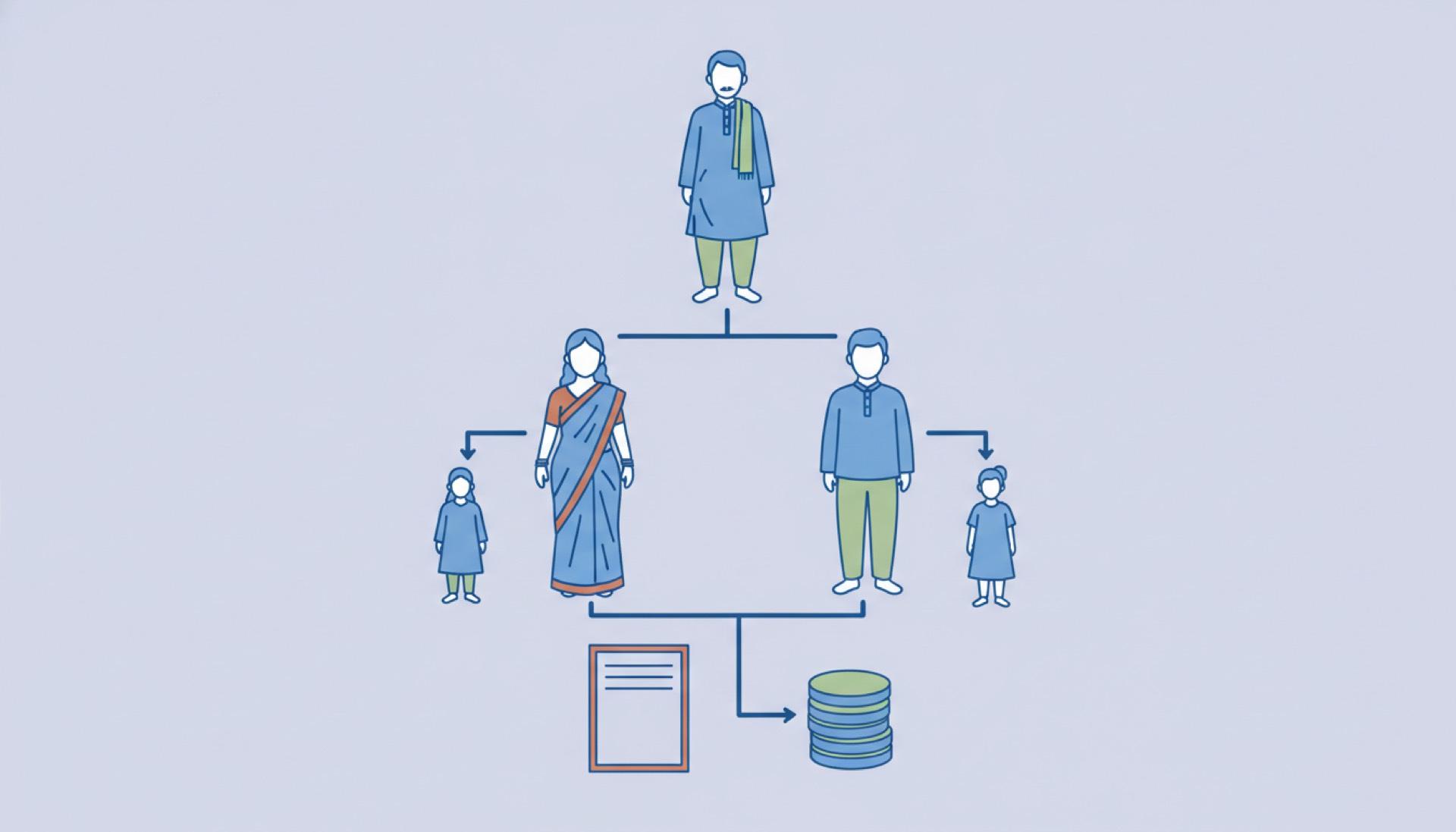
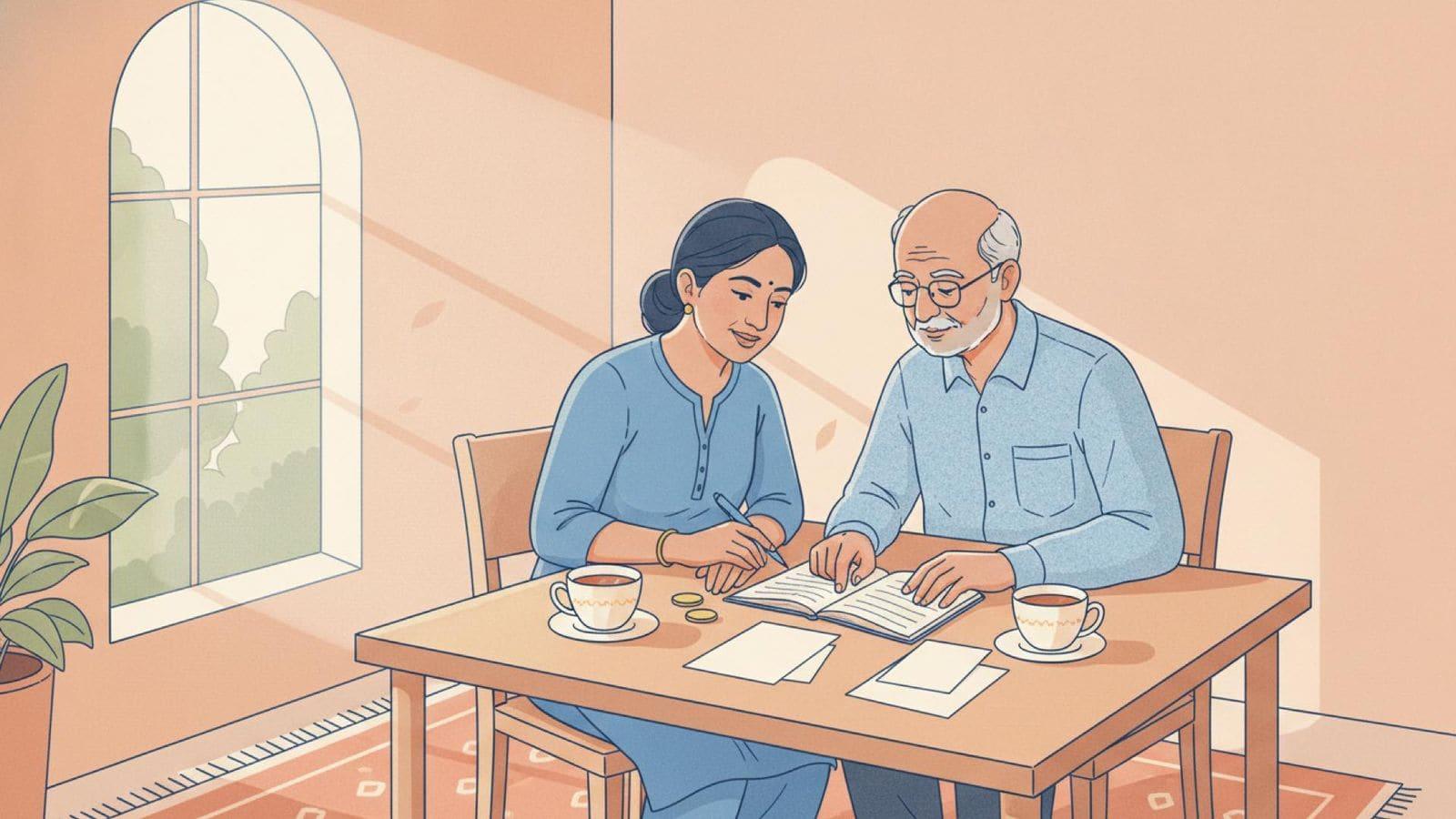
If you, or a parent, retire next year with little saved, the twelve months ahead matter more than the years behind. Twelve months cannot build a retirement corpus, but they can build a floor: every rupee and pension counted, health cover in place, a budget a retired household can live on, a steady monthly income from what exists, and a clear family plan. That floor is what keeps a thin retirement from becoming a crisis.
It is one of the most common money stories in Indian families, and one of the most painful to watch. The good news is that the first steps cost nothing and can start this week.
The 12 months before retirement
- Months 1–2Count everything: EPF, gratuity, EPS pension, deposits, property, loans
- Months 2–4Health cover in place, before the next check-up finds something
- Months 4–6Live on the retirement budget now, while the salary still arrives
- Months 6–10Plan the income: EPS pension, SCSS and POMIS interest
- Months 10–12Agree the family plan, in rupees and dates
Months 1–2: count everything
Most families do not know what they have until they write it down. List the EPF balance, the gratuity due (the gratuity calculator estimates it from salary and years of service), any leave encashment, the EPS pension the EPS guide explains, bank and post office deposits, insurance policies and any property. Then list every loan and every EMI. The difference between the two lists is where the plan starts.
Months 2–4: health cover first
A single hospital stay can cost more than a small retirement fund holds. Insurers do cover people above 60, at higher premiums and with waiting periods for conditions they already have, which is exactly why buying before a health problem is diagnosed matters. If an adult child's employer group policy allows parents to be added, check that too. Our health insurance calculator helps size the cover.
Months 4–6: live on the retirement budget now
The salary is still arriving, which makes this the best time to rehearse life without it. Cut to what a retired household actually spends and put the difference straight into savings. Every month rehearsed adds to the cushion and shows whether the budget is real.
Months 6–10: build a steady income
With little to invest, safety and regularity matter more than return.
- EPS pension. With ten or more years of EPF service, a monthly pension normally starts at 58.
- Senior Citizens Savings Scheme. For those 60 and over, it pays 8.2% per annum (1 October 2026 to 31 December 2026), paid out every quarter, on up to ₹30 lakh per person.
- Post Office Monthly Income Scheme. It pays 7.4% every month, on up to ₹9 lakh single or ₹15 lakh joint.
Senior Citizens Savings Scheme (SCSS), current rate
8.2% p.a.
Applies to deposits for 1 October 2026 to 31 December 2026 (Q3 FY 2026-27).
Paid out every quarter, straight to your savings account. It is not reinvested inside the scheme.
5 years, extendable in blocks of 3 years.
The Ministry of Finance reviews small savings rates every quarter and notifies them shortly before the quarter begins. A rate change applies to new deposits; SCSS, NSC, KVP and Post Office time deposits keep the rate fixed for the whole term once you have invested, while PPF and SSY balances earn whatever the current rate is each year.
Source: Ministry of Finance, quarterly small savings notification (Q3 FY 2026-27), as reported. Verified 2026-10-10.
Keep two years of spending in a savings account or deposits before locking anything in, so an emergency never forces an early exit with a penalty. Under the old tax regime, Section 80TTB lets a senior citizen deduct up to ₹50,000 of interest a year.
Months 10–12: agree the family plan
If children will help, decide how much, from whom and on what date, and set it up as an automatic transfer. A fixed, planned amount is easier on everyone than help that arrives only in a crisis. Talk about the house too: whether it stays the family home, whether part could be rented out, or whether a smaller home later would release money. These are family decisions, and they are easier made calmly a year ahead than under pressure.
Watch for the people who find new retirees
A retirement lump sum attracts calls, visits and schemes promising unusually high or guaranteed returns. The rule is simple: anything that promises more than government schemes pay, with no risk, deserves the most suspicion. Our guide to spotting an investment scam lists the warning signs.
Related nyvo guides
- Your Retirement Lump Sum: What to Do With PF, Gratuity and Leave Encashment – splitting a lump sum by when you need it.
- Senior Citizen Savings Scheme (SCSS): A Guide – the scheme most retirees build their income on.
- Retirement Planning in India: A Step-by-Step Guide – for the next generation, so it starts earlier.
A thin retirement is not a failure to be ashamed of; it is a problem to be planned. A year is enough time to turn it from something that happens to a family into something a family handles together.